.svg)
.svg)


.svg)
.svg)
.svg)
The TMS built for big and bulky delivery
Mover gives big and bulky operators the planning, execution, and intelligence to deliver on customer expectations, profitably.
The cost is in the details
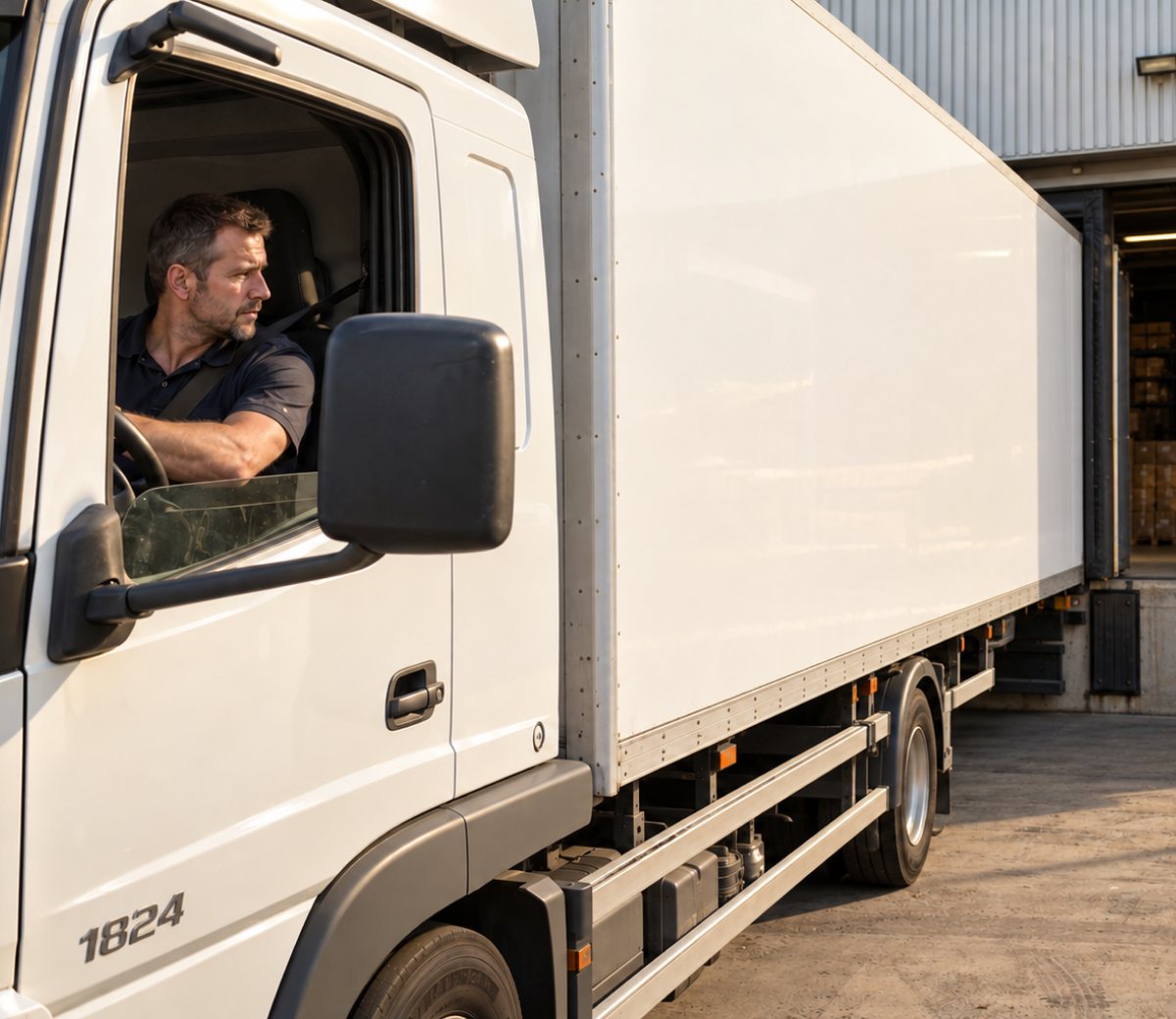
In big and bulky delivery, every stop is an appointment, every crew is a cost, and every failed attempt means doing it twice. The margin between a profitable operation and an expensive one lives in how well the service ladder, the route, the warehouse, and deliveries are aligned across the entire journey. That's what Mover is built for.
Price service tiers against the cost to deliver
Curbside, in-home, installation, assembly, and returns each carry a different cost to deliver. Planning them against fixed averages makes premium tiers unprofitable and hides the margin lost on every stop.
Dynamic task time calculates real stop duration for each service type so routes reflect actual workload. Vehicle capacity constraints match the right crew and equipment automatically, and automated communications keep customers informed from booking through arrival, reducing the failed first attempts that make premium service expensive to absorb.

Turn short, heavy routes into full, productive shifts
Heavy goods fill vehicles fast, and trip-based planning leaves drivers underutilized between loads while shift hours go to waste.
Mover's route refilling optimizes the full shift as one continuous operation, treating every hub return as part of an unbroken day. One- and two-person stops are planned together so solo deliveries don't fragment into separate low-density routes. Driver breaks are built into plans, and intelligent carrier selection allocates the best resources across the full fleet without manual intervention.
Plan upstream flows around last-mile routes
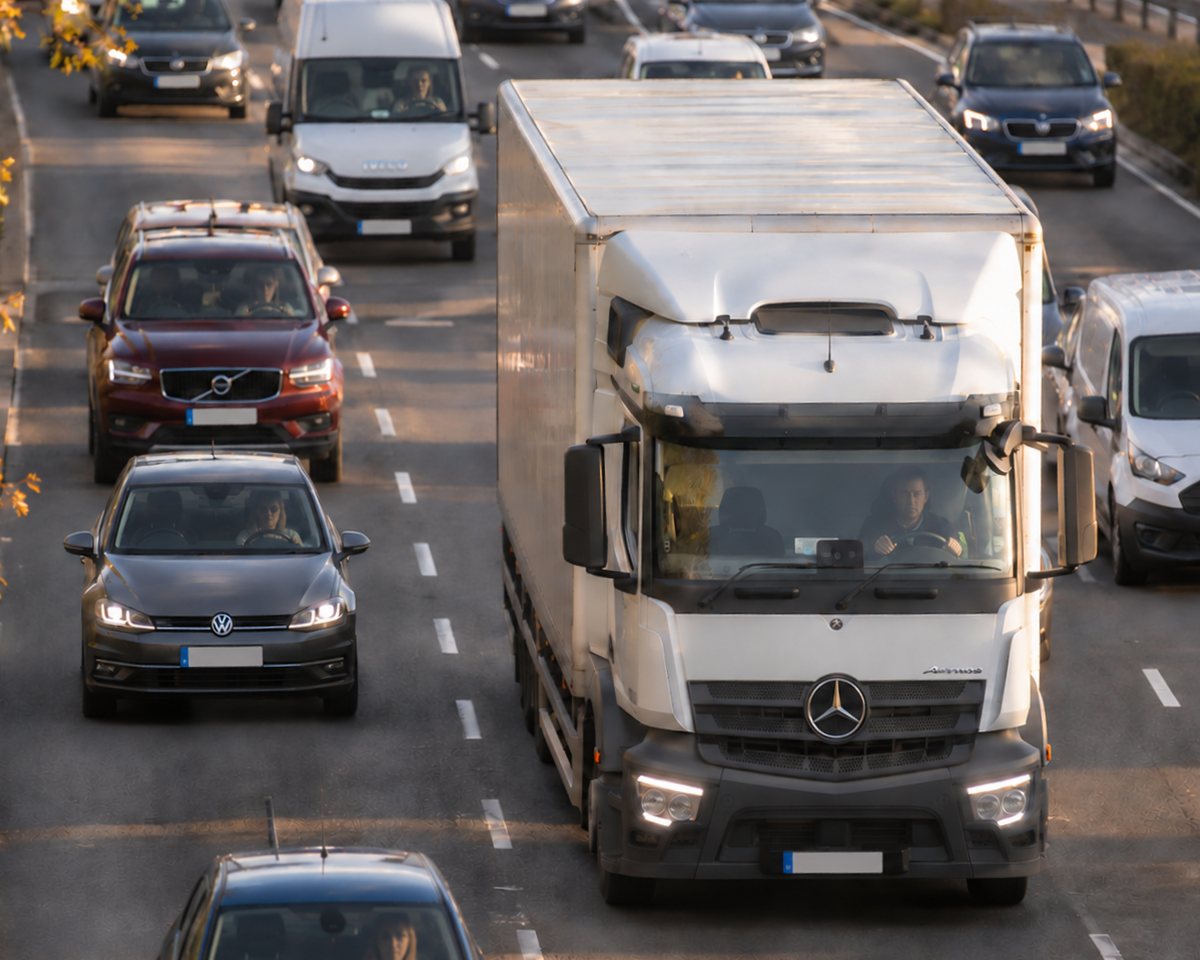
The doorstep is where cost concentrates in big and bulky delivery, and every upstream inefficiency arrives there too. Picking, staging, and linehaul planned independently of the route creates the rehandling and congestion that makes each stop more expensive to execute.
Mover's distribution center aligns picking and staging directly to route stop sequences, dock and gate planning sequences departures against real warehouse capacity, while linehaul and hub tracking ensures goods move in the order the route needs them. Returns, swaps, and pickups are planned in the same flow through multiple collection points, removing the need for a separate reverse logistics cycle.
Arrive to a customer who is ready
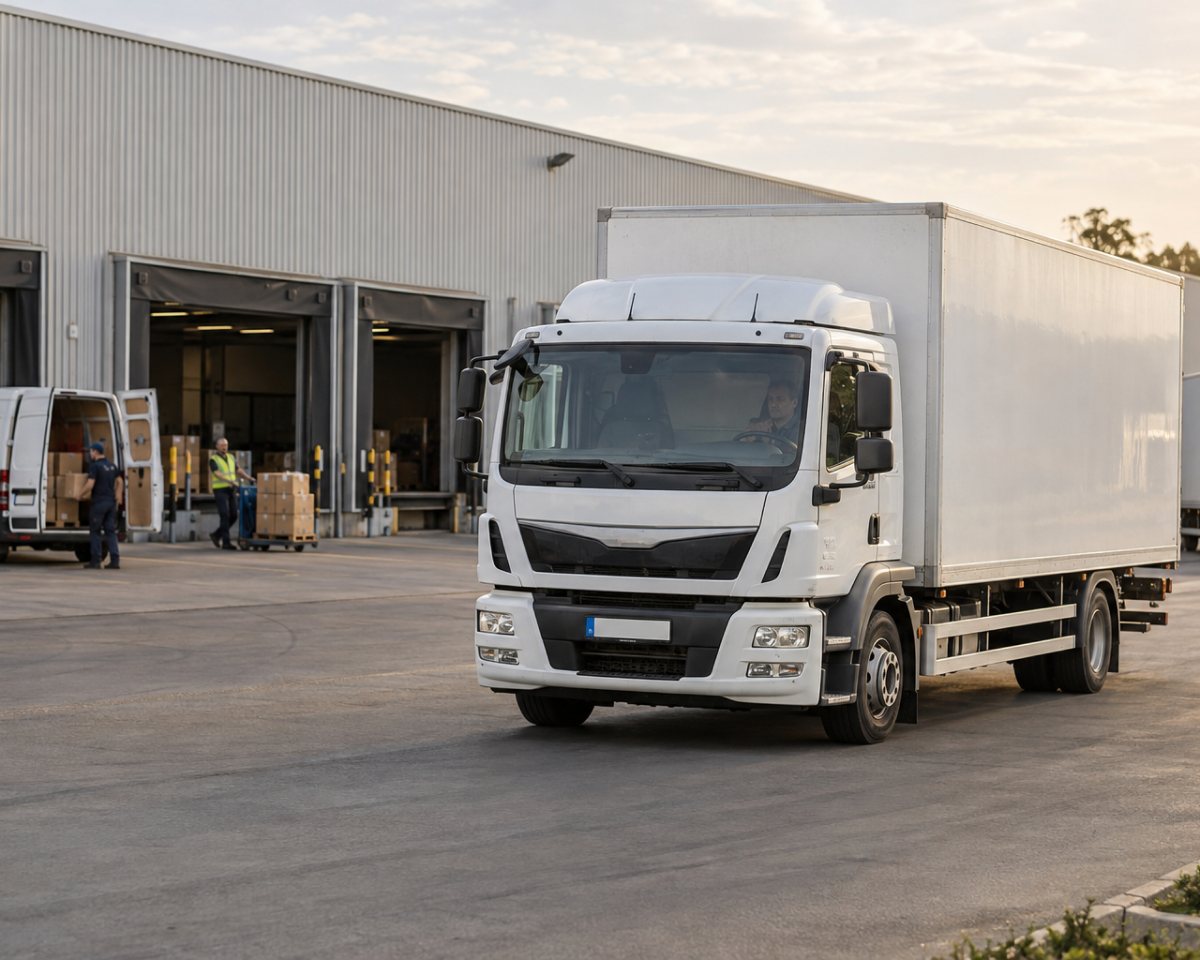
Attended delivery fails when customers aren't prepared, and many operations rely on drivers to call ahead, a dependency that is inconsistent and expensive when it breaks down.
Automated pre-arrival communications triggered by live ETA remove that dependency entirely. Mover's driver app standardizes execution at every stop, guiding crews through the right steps for each service type and capturing photo evidence for damage and proof of delivery regardless of which carrier is on the route. Live tracking and carrier and driver performance tracking give operations teams real-time control and the data to act on patterns behind repeat delays and claims.

Built to profitably deliver on promises
.svg)
Protect delivery margins
Cost visibility across service tiers, routes, and carriers so commercial decisions are backed by operational reality and every delivery contributes to the bottom line.
.svg)
Keep promises across the order journey
From slot booking at checkout to proof of delivery at the door, every handoff planned and executed so the commitment made to the customer holds.
.svg)
Pivot and cale without complexity
New service tiers, carriers, and delivery models added without rebuilding the operation. Volume grows without growing the cost and effort required to manage it.
Reach remote areas without the cost of home delivery
Consolidate orders into a single route-embedded collection stop, reducing cost-to-serve in low-density areas without permanent pickup infrastructure.
"Our customers are on construction sites, and their time is tight. Mover's transparency and automated updates cut down on the 'where's my delivery' calls significantly, and it's made SLA compliance and our ESG reporting far easier to manage. We've been with Mover since 2016 and haven't looked back."

"We're a flower company, not a logistics company. Mover didn't just give us software - they brought logistics expertise that complemented our own team."

"It used to be a messy operation. Now everything is sequenced, and the dock runs the way a production line should."

"I would say Mover's TMS has been instrumental in driving customer satisfaction and cost reductions in our operations."

More capabilities to solve Big & Bulky's greatest challenges

Extend your EV fleet
Mover plans heavy EV routes automatically, modelling energy consumption, inserting charging stops, and keeping ETAs reliable across mixed electric and combustion fleets.
Run multi-carrier operations as one
Mover connects internal fleets, contractors, and 3PLs in a shared environment so every carrier executes against the same plan and the same data.

Plan capacity on data, not experience
Mover trains forecasting models on your own delivery history to predict route and order volumes in advance, so fleet and carrier capacity is arranged before demand arrives.

Move from plan to execution automatically
Mover assigns and dispatches automatically, matching resources to routes based on qualifications, cost, contracts, and performance, at any volume.

Make every route a source of intelligence
Mover structures operational events from every route and delivery into consistent data your BI tools can query and your teams can act on.
Run planning on autopilot
Mover schedules and runs route optimization automatically, applying consistent planning logic across regions, warehouses, and service models without planner intervention.
Mover is more than just software
Turn your logistics data into operational performance
Big and bulky operations generate more cost and performance signal than most teams can act on. Our analysts work inside the same platform managing your routes, surfacing cost patterns, building custom models, and turning findings into decisions.

Redesign how your operation runs
Big and bulky delivery carries years of carrier-managed planning, fragmented service tiers, and upstream flows that don't align to the last mile. We map where time and cost leak and design the workflows and system logic your operation should run on.

Build what platform configuration can't reach
When standard capabilities don't cover your service ladder logic, installation workflows, or returns handling, our development team builds the extensions, integrations, and algorithms that do.

Build an operation that keeps getting better
Profitable big and bulky delivery depends on consistent execution across every carrier, crew, and service tier. Our specialists embed new ways of working, keep the platform tuned, and run the improvement cycles that make gains last.


See Mover in Action
Ready to take control of your distribution?
Talk to our team and see how Mover connects planning, dispatch, drivers and data in one platform – built around how your operation actually runs.
Frequently asked questions
Most TMS platforms optimize stop sequences. Mover integrates service tier planning, crew and vehicle matching, warehouse alignment, and last-mile execution in one connected system. The result is routes that reflect real operational cost and hold up from dock to doorstep.
Service types are configured with their own task time rules, crew requirements, vehicle constraints, and communication triggers. Curbside, in-home, installation, and assembly can run in the same planning environment without manual sorting or separate workflows.
Yes. One- and two-person stop requirements are applied automatically during route optimization if configured for optimal delivery plan. The system decides whether a one-person stop joins a two-person route or runs on a dedicated solo route based on what is most efficient on the day.
Automated pre-arrival communications triggered by live ETA notify customers at a configured time before the crew arrives, removing the dependency on drivers calling ahead. Accurate delivery windows set at booking and continuously updated ETAs keep customer expectations aligned throughout the journey.
Both delivery types are planned within the same planning cycle. Configurable dependencies, service tiers, and operating procedures ensure that a higher tiered deliver is not placed on a lower tiered vehicle. Time windows, crew requirements, vehicle constraints, and proof of delivery requirements are configured per delivery type.
All fleet types are configured and managed in one environment. Each carrier operates with role-based visibility, managing their own drivers and routes without central planner intervention. Routes are allocated automatically based on cost, performance, contract commitments, and crew qualifications.
Yes. Mover supports modular deployment. Most customers start with route planning and execution for selected routes, validate results, and expand from there. Automation is introduced incrementally so operations remain stable throughout.