.svg)
.svg)


.svg)
.svg)
.svg)
Editor’s picks

Click and collect from a vehicle gives checkout a third option, one that needs neither a car nor a store.
Adopting Change
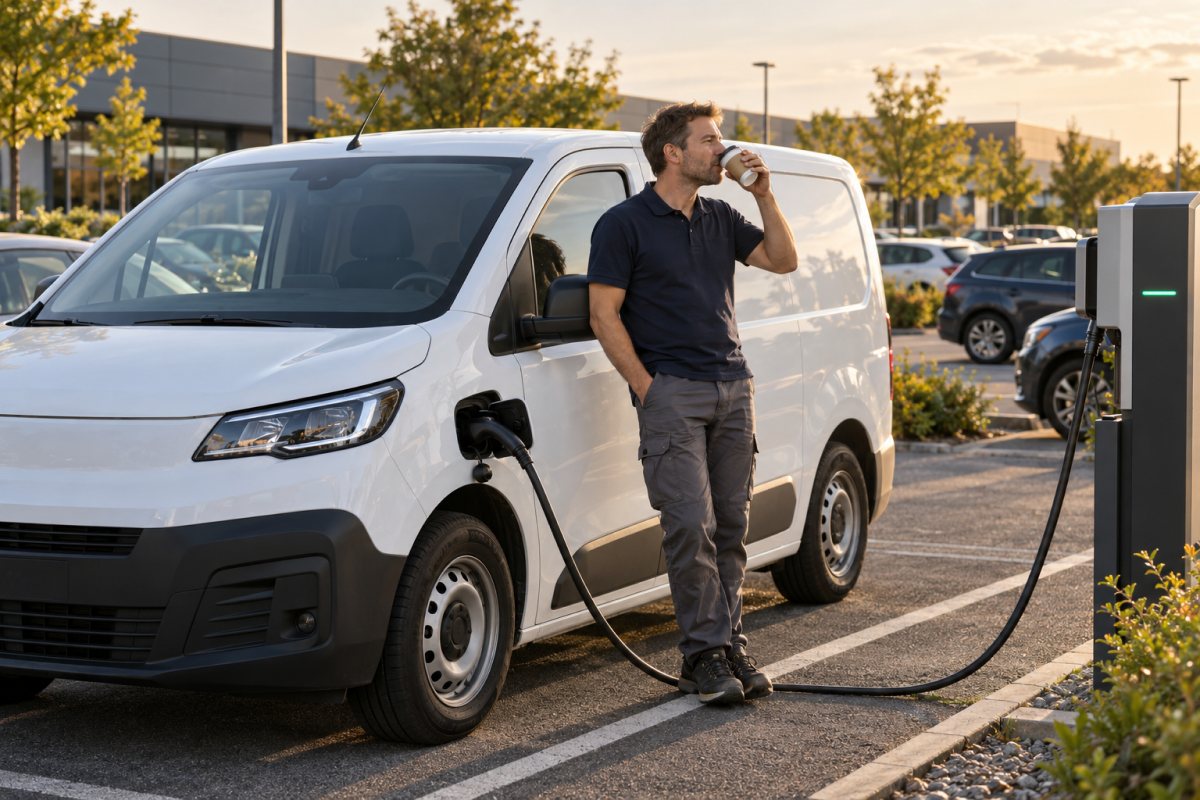
That assumption is why the economics of going electric doesn't always show up on the road.

A step gets marked complete, or it doesn't. Nothing in between is visible until somebody asks.

A driver runs behind, and by the time anyone sees it, the SLA clock has already run out, and the next five stops are late with it.

Every handoff between the two is a translation, and translations lose exactly the data that would let planning learn from what happened.
Category 5

Cost efficiency and fair workloads look like separate goals only when the data behind them is separate too.

One gap between the planning screen and the yard is where most execution failures start.
Customer Experience
Click and collect from a vehicle gives checkout a third option, one that needs neither a car nor a store.

The problem was never one impatient customer. At scale, it's every stakeholder your SLAs obligates you to notify.
Mover insights
Operational Excellence
Cost efficiency and fair workloads look like separate goals only when the data behind them is separate too.
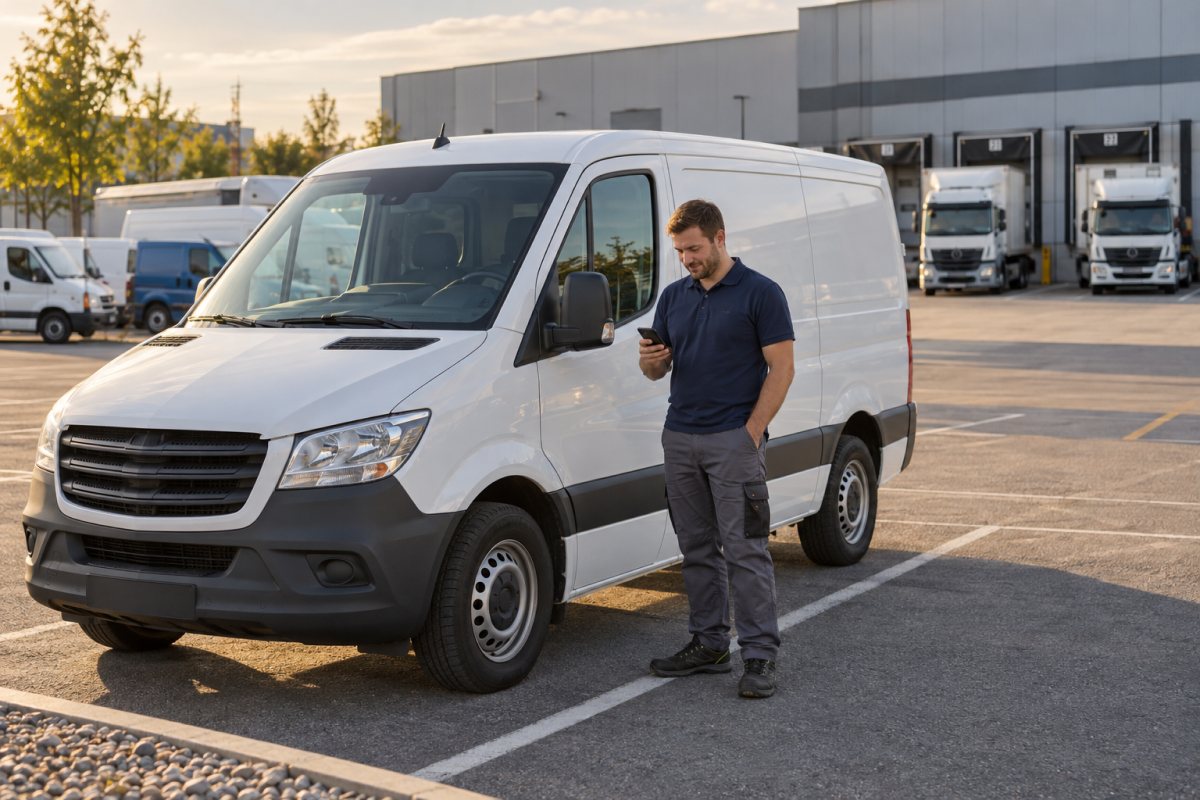
Optimizing for speed quietly routes the hardest stops to the same few people, week after week.

The clock that goes wrong first usually isn't the one measuring the distance or traffic.

A vehicle equipped for special handling can usually do standard work too. Most constraint setups don't let it.

Every depot return planned as a new trip adds idle time and empty miles a continuous shift plan would never create.

Repeated manual overrides don't just cost time. They erase the data that would show you what to fix.

Grouping orders, applying the right rules, running the optimization, and handing off to the warehouse is one cycle. Large operations repeat that cycle around the clock.
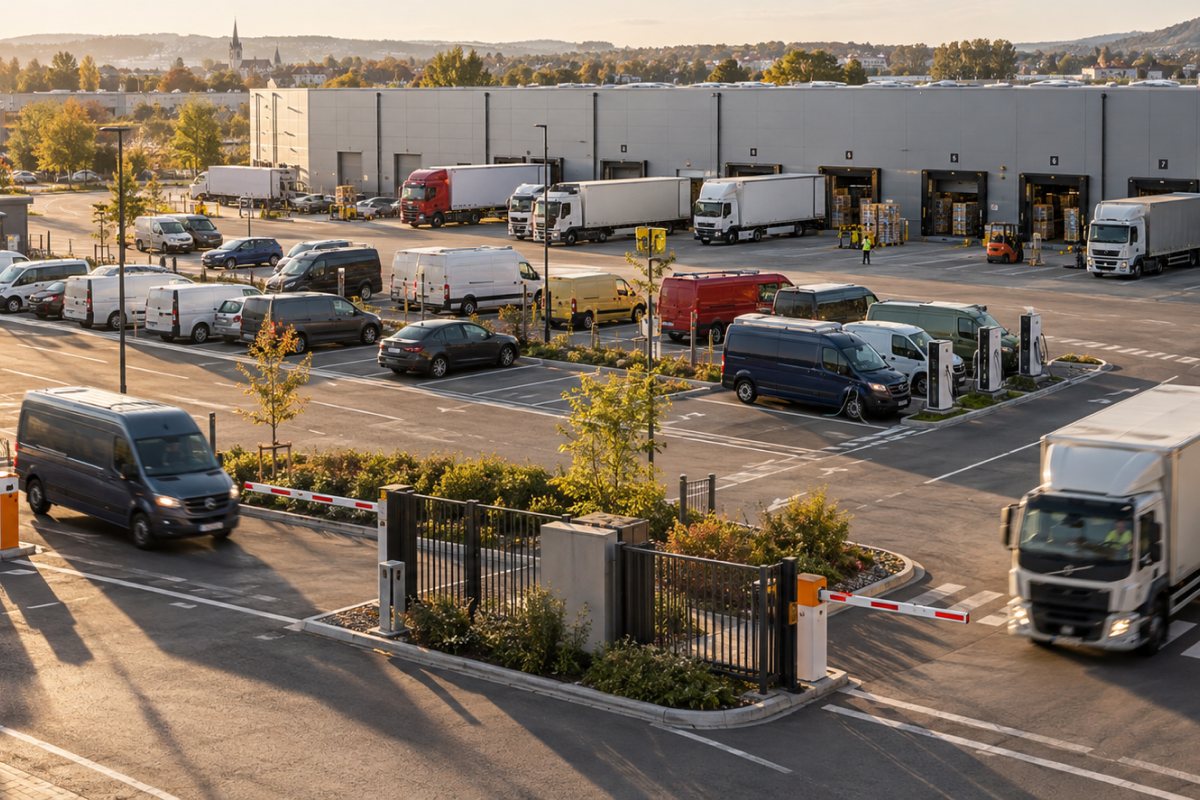
Solving each constraint on its own has a price few operations ever add up.
One gap between the planning screen and the yard is where most execution failures start.

Same required minutes, folded into a stop the route needed anyway, instead of bolted on as dead time nobody priced in.
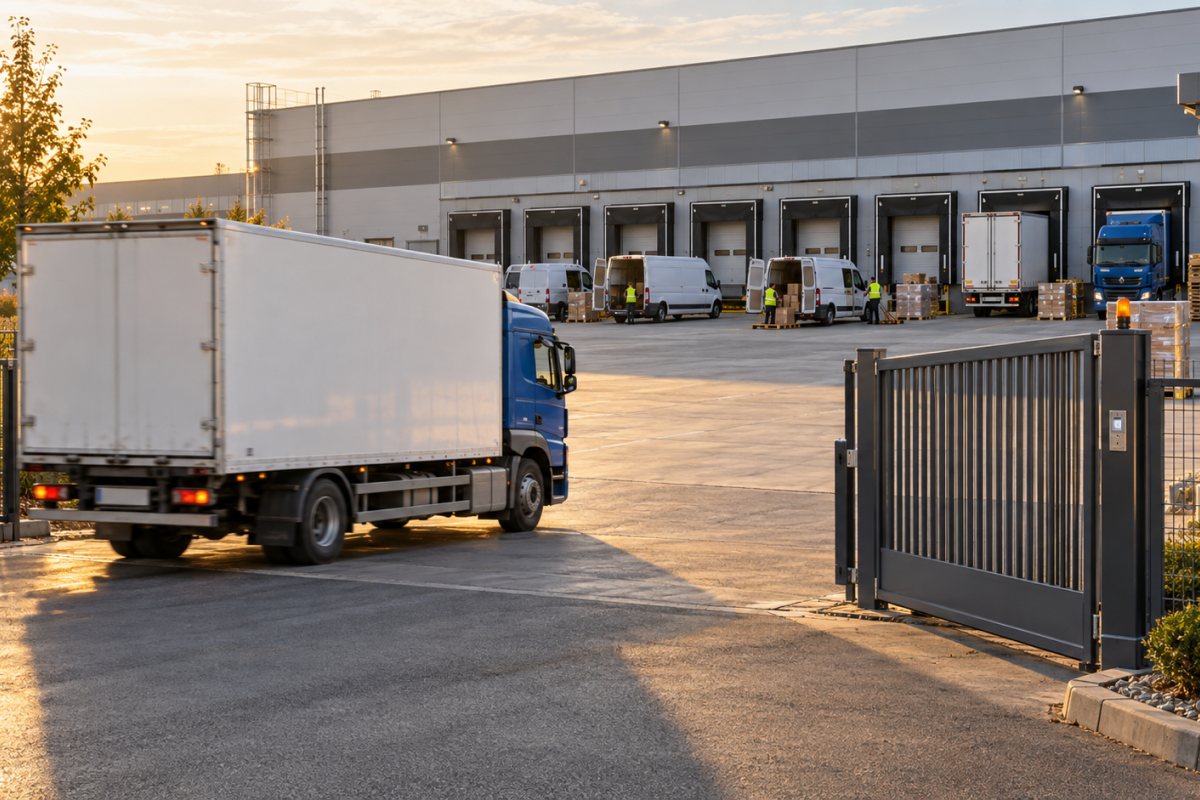
Splitting fleet by depot feels organized. It's usually a manual rule standing in for what the route needs.
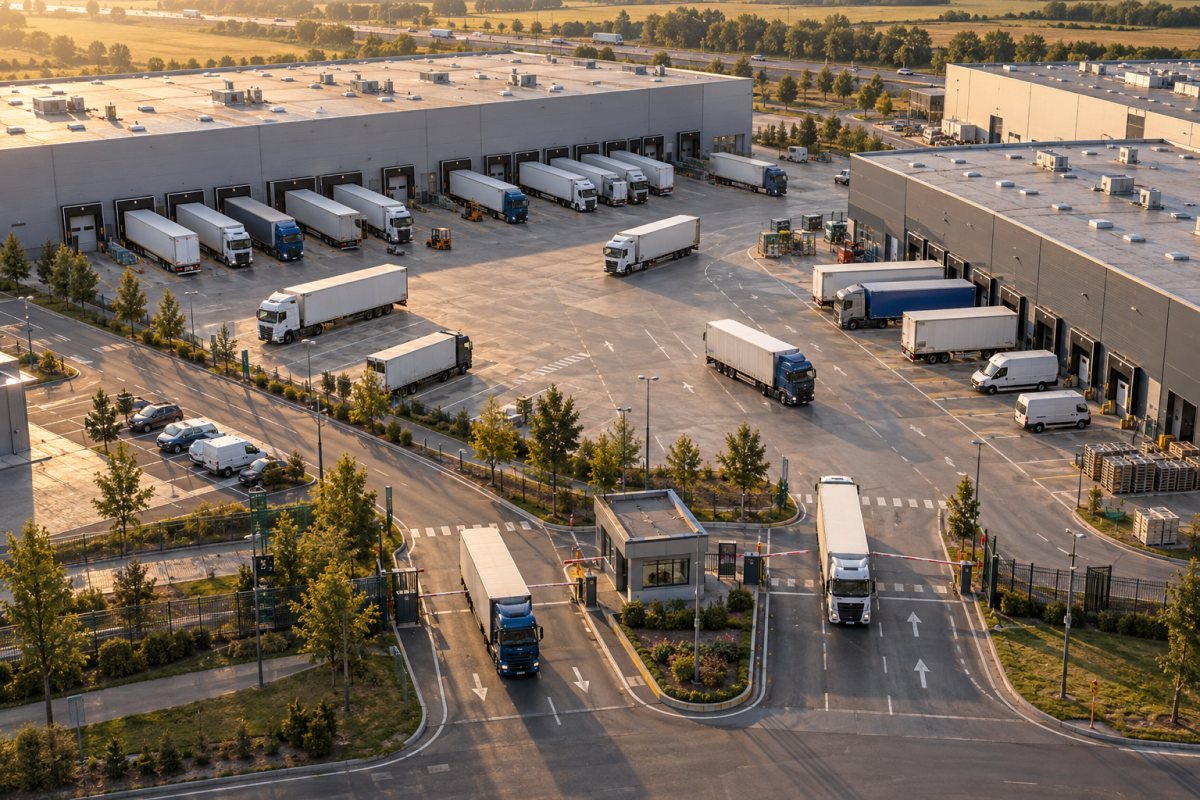
A few unaccounted minutes per vehicle, multiplied across a fleet running every day, turn a scheduling gap into a high, recurring cost.
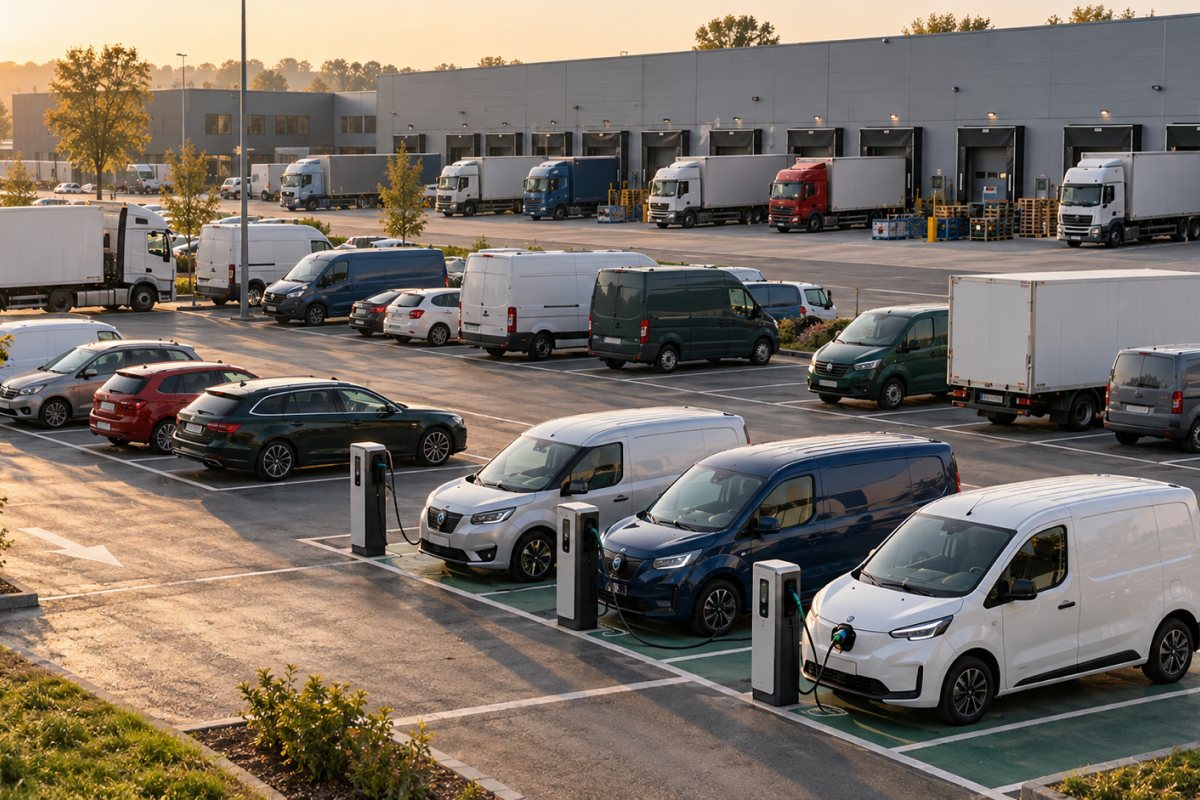
Specifying the right vehicle is the easy part. What separates a standard that holds from one that quietly drifts is what gets checked afterward.
Latest articles
Click and collect from a vehicle gives checkout a third option, one that needs neither a car nor a store.
A few unaccounted minutes per vehicle, multiplied across a fleet running every day, turn a scheduling gap into a high, recurring cost.
A vehicle equipped for special handling can usually do standard work too. Most constraint setups don't let it.
Optimizing for speed quietly routes the hardest stops to the same few people, week after week.
Repeated manual overrides don't just cost time. They erase the data that would show you what to fix.
That assumption is why the economics of going electric doesn't always show up on the road.
A driver runs behind, and by the time anyone sees it, the SLA clock has already run out, and the next five stops are late with it.
One gap between the planning screen and the yard is where most execution failures start.
Solving each constraint on its own has a price few operations ever add up.
A step gets marked complete, or it doesn't. Nothing in between is visible until somebody asks.
Every handoff between the two is a translation, and translations lose exactly the data that would let planning learn from what happened.
Cost efficiency and fair workloads look like separate goals only when the data behind them is separate too.

See Mover in Action
Ready to take control of your distribution?
Talk to our team and see how Mover connects planning, dispatch, drivers and data in one platform – built around how your operation actually runs.