.svg)
.svg)


.svg)
.svg)
.svg)
Bring operational certainty to EV routes
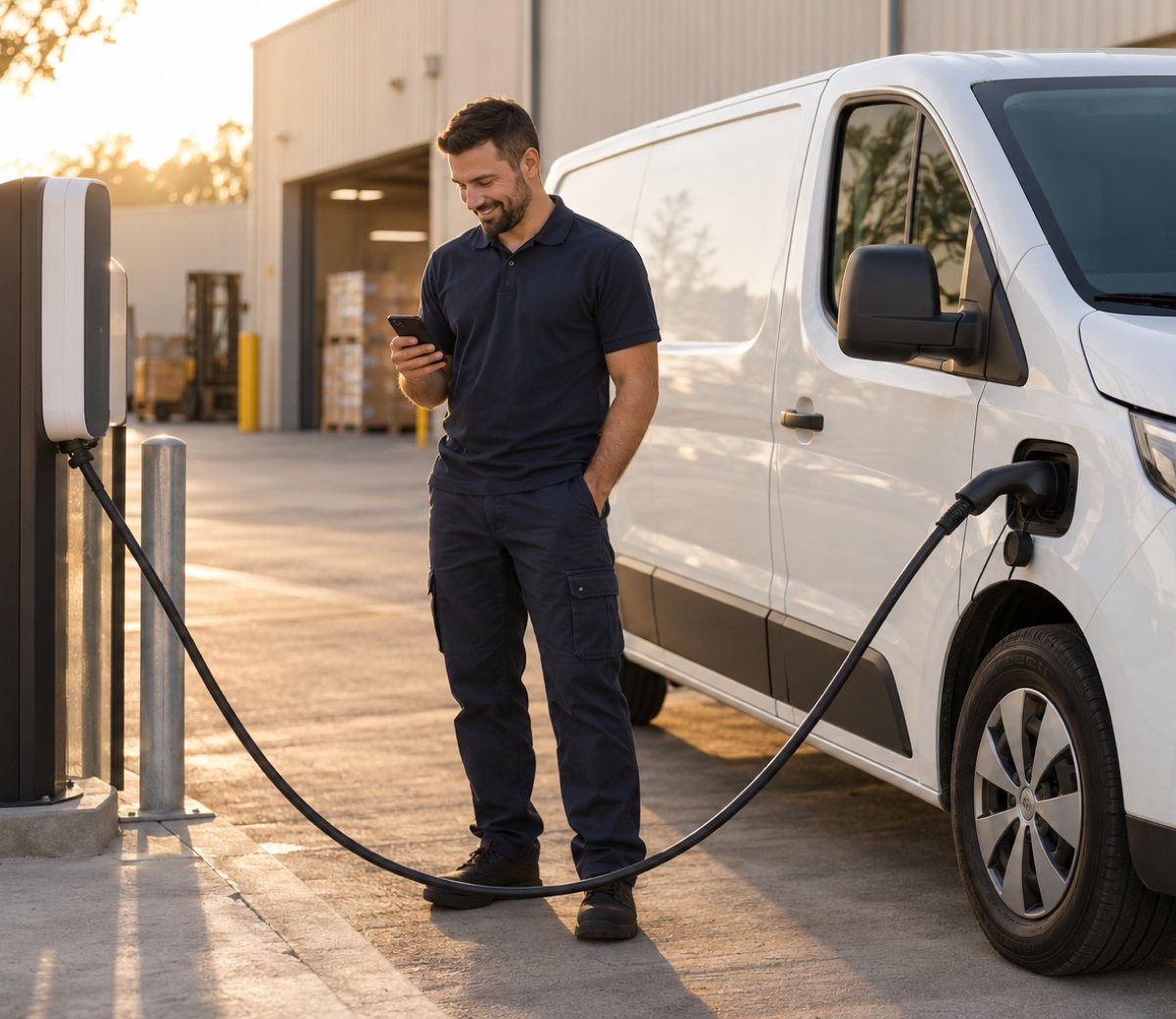
Make electric or mixed fleets operational at scale with routes that respect battery limits and charging needs. Automatically generate feasible, time-reliable plans so EV routes deliver predictable ETAs, protected customer commitments, and optimal vehicle utilization comparable to regular (ICE) fleets – without manual planning or driver guesswork.
.png)
Trusted by operators who own the delivery promise










Remove uncertainty from EV operations

Deliver EV routes reliably
Produce feasible routes that account for battery limits and charging needs so EV routes perform as predictably as regular (ICE) routes.

Reduce planning risk and effort
Automate charging decisions to avoid manual judgment calls by planners and drivers.
.svg)
Protect customer commitments
Plan charging into routes from the start to set realistic ETAs and promise windows.

Scale EV fleets confidently
Expand mixed or fully electric fleets without increasing operational complexity or execution risk.
Plan and run EV routes with confidence
.png)
.png)
.png)
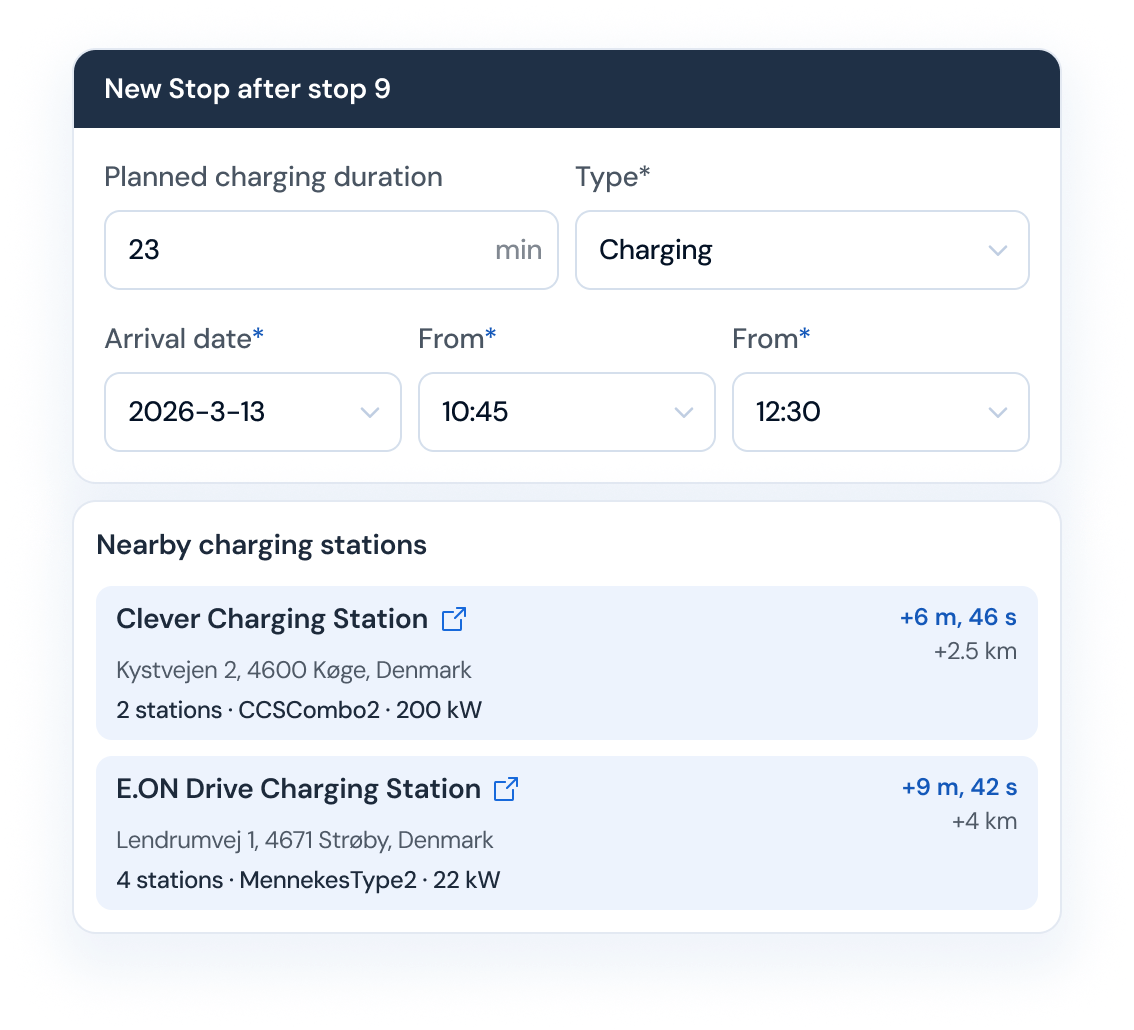
Keep operations aligned from plan to delivery
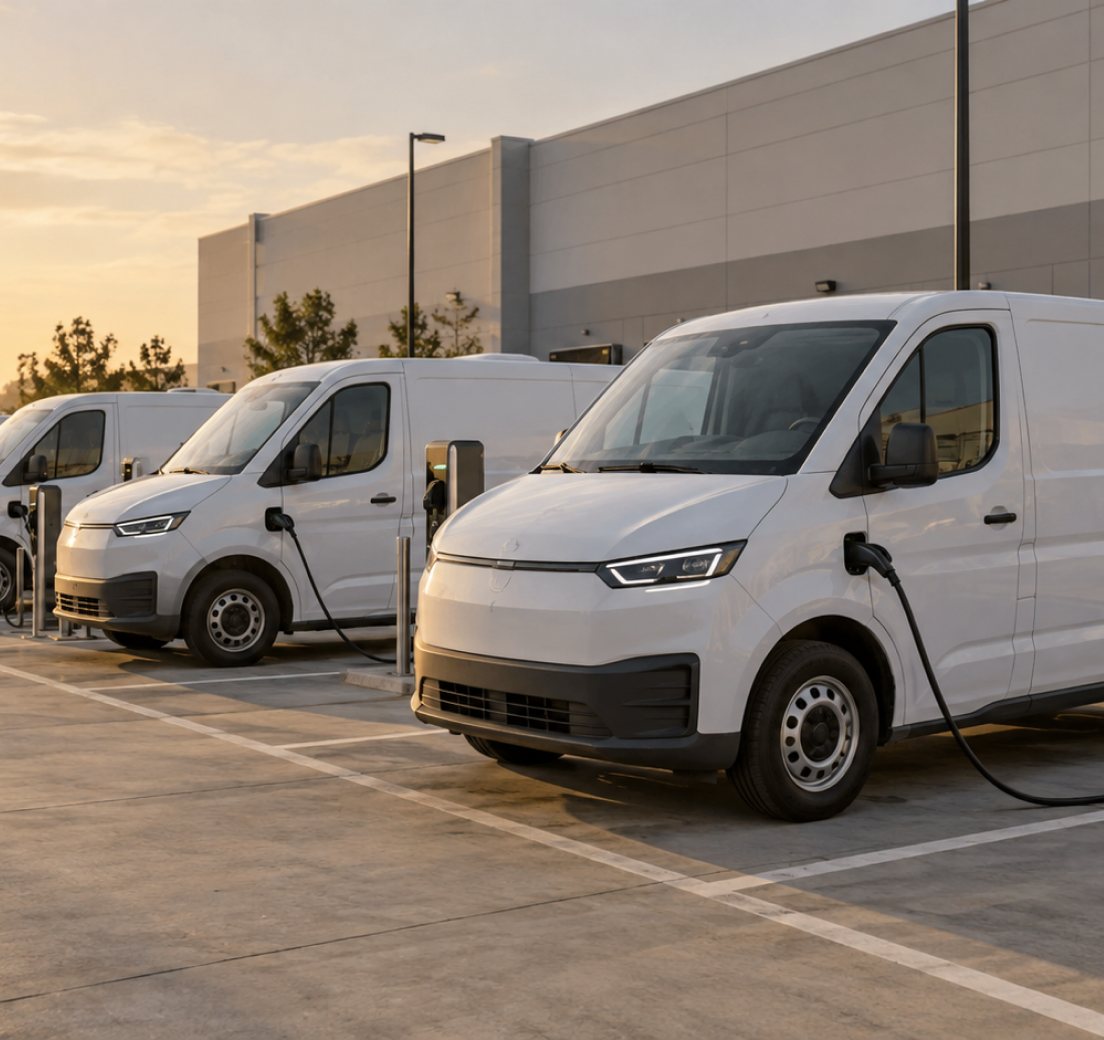
Include charging stops directly in route plans, calculate ETAs with charging built in, and notify customers automatically when routes change. Surface the same route view to planners, operations, support teams, and drivers to prevent handoff gaps and keep execution, communication, and customer expectations in sync.
.png)
Customer stories

.svg)
.svg)
.svg)
%201.svg)

Additional resources
Frequently asked questions
Electric vehicle routing plans delivery routes while accounting for battery range and charging needs. Charging stops are automatically added when required, with timing and duration included in the route so plans remain feasible and ETAs stay reliable.
No. Charging stops are inserted automatically during route planning based on battery limits and operating conditions. The system can also add the nearest charging stop during replanning or detours if conditions change.
Battery consumption is estimated using vehicle-specific profiles and real operating factors such as load weight, weather, and road elevation. Charging time is built directly into ETA calculations to keep arrival times predictable.
Yes. You can limit route optimization to approved or contracted charging providers while still supporting known public stations. This helps enforce cost controls and commercial agreements.
No. Charging duration is calculated based on the range needed to complete the route and configured preferences. Vehicles may charge only partially when a full charge is unnecessary.
Charging stops are included in the planned route from the start. When routes change, customers are notified automatically via the systems automated communication triggers so expectations remain aligned.
Yes. Electric vehicle routing operates within the same route planning workflow as regular vehicles, making it easier to scale mixed or fully electric fleets without increasing operational complexity.
During replanning or detours, the system can automatically or manually add the nearest feasible charging stop while keeping the route executable and updating ETAs accordingly.

See Mover in Action
Ready to take control of your distribution?
Talk to our team and see how Mover connects planning, dispatch, drivers and data in one platform – built around how your operation actually runs.