.svg)
.svg)


.svg)
.svg)
.svg)
The operating platform for complex distribution
Plan, orchestrate and continuously optimize transportation across your own fleet, external carriers and the systems surrounding them.
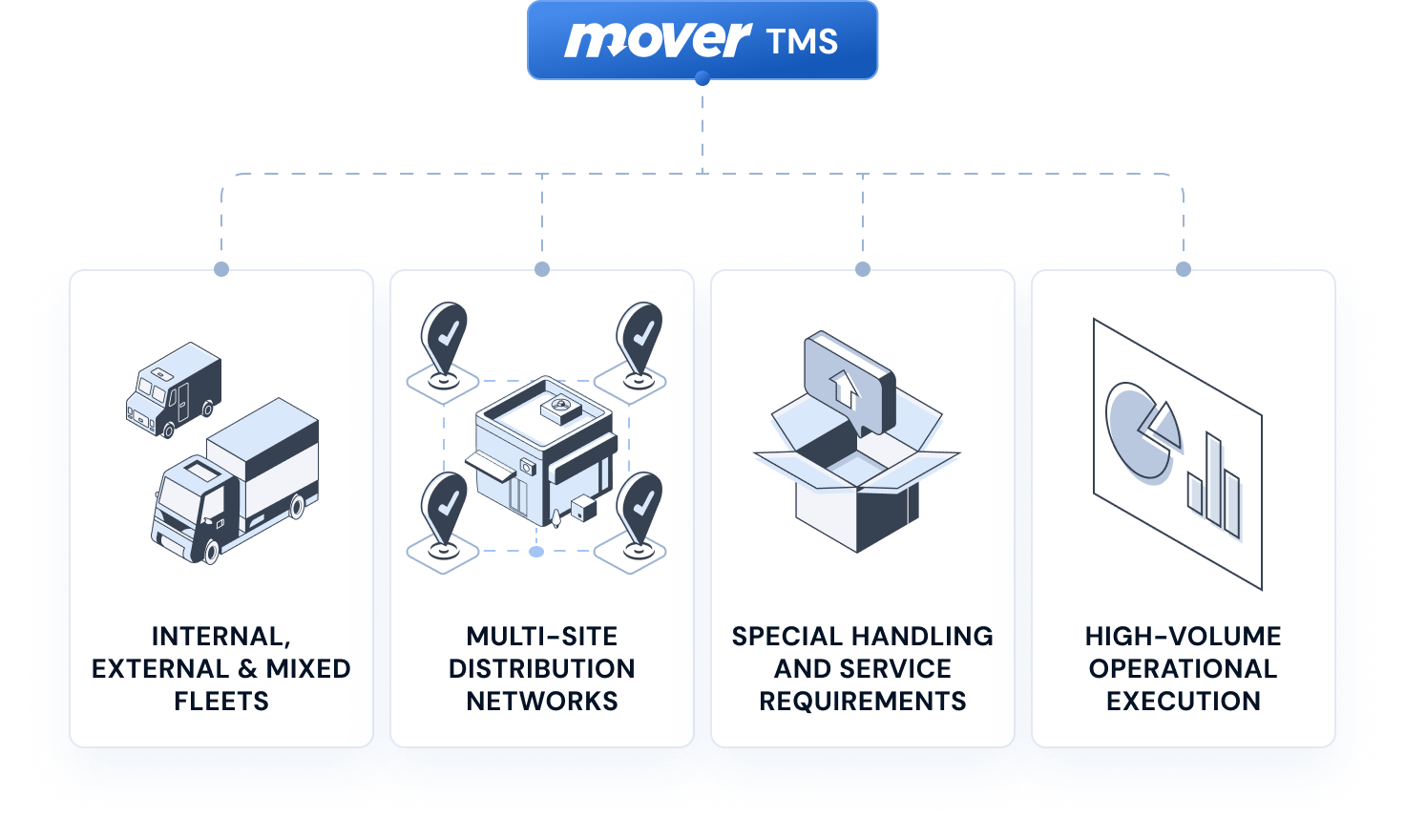
Trusted by operators who own the delivery promise












AI loop running in parallel
Because Plan, Dispatch and Execute run on one integrated platform, every delivery teaches the whole system at once. A single improvement compounds across every stage and every customer — one platform that gets better everywhere, all at once.
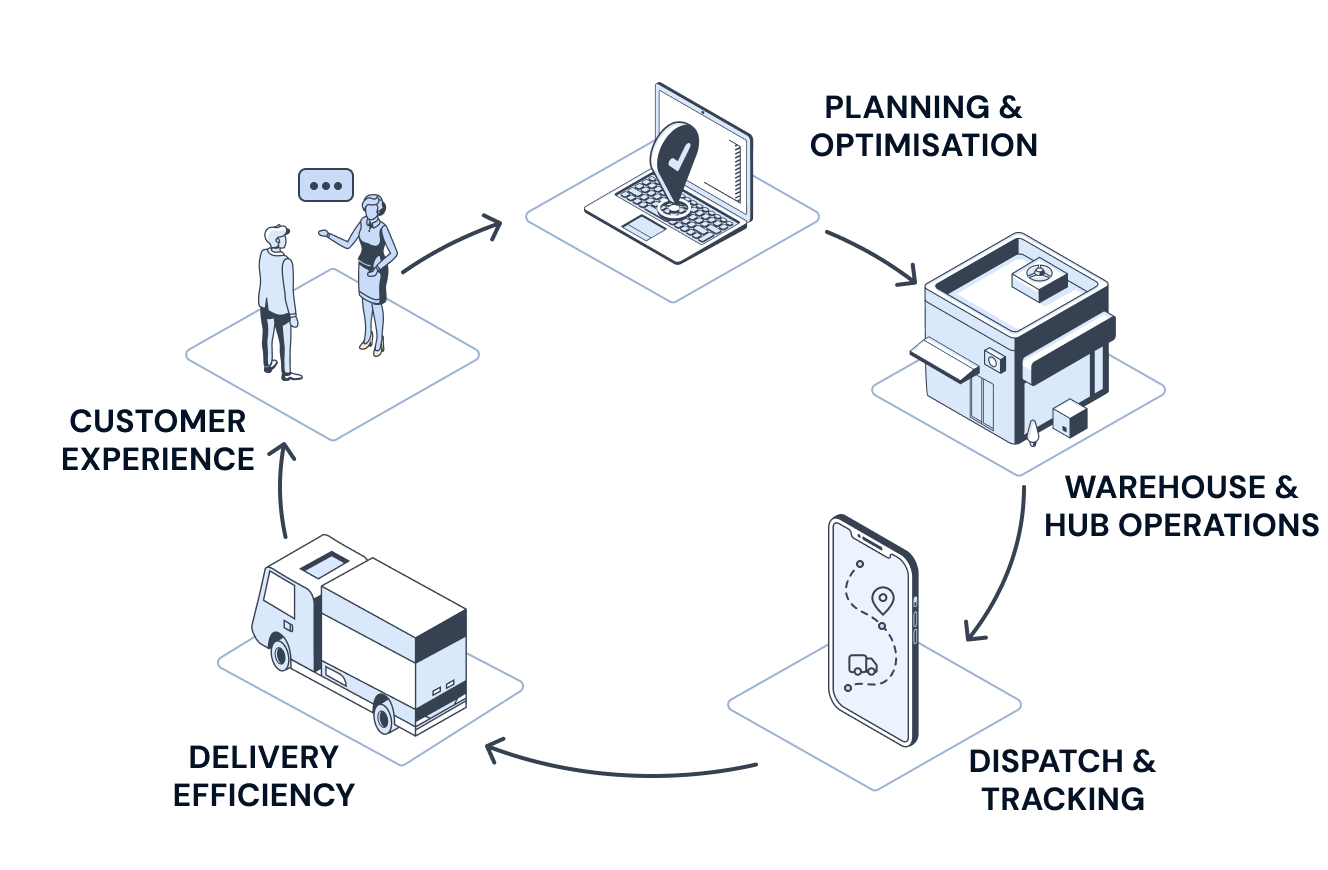
One continuous operating model
Run the entire operation as one continuously optimized cycle.


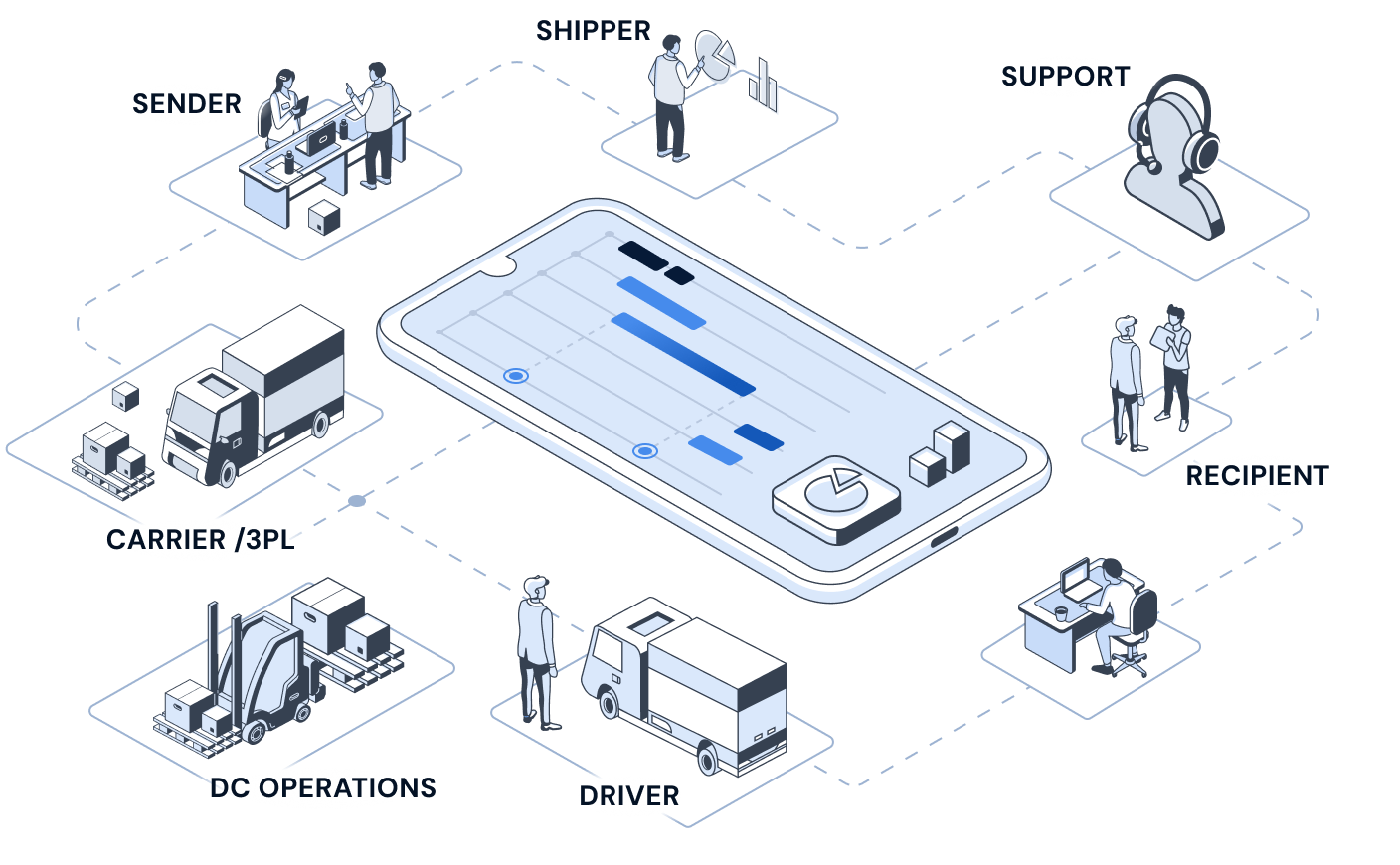
One shared plan
Everyone works from the same plan.


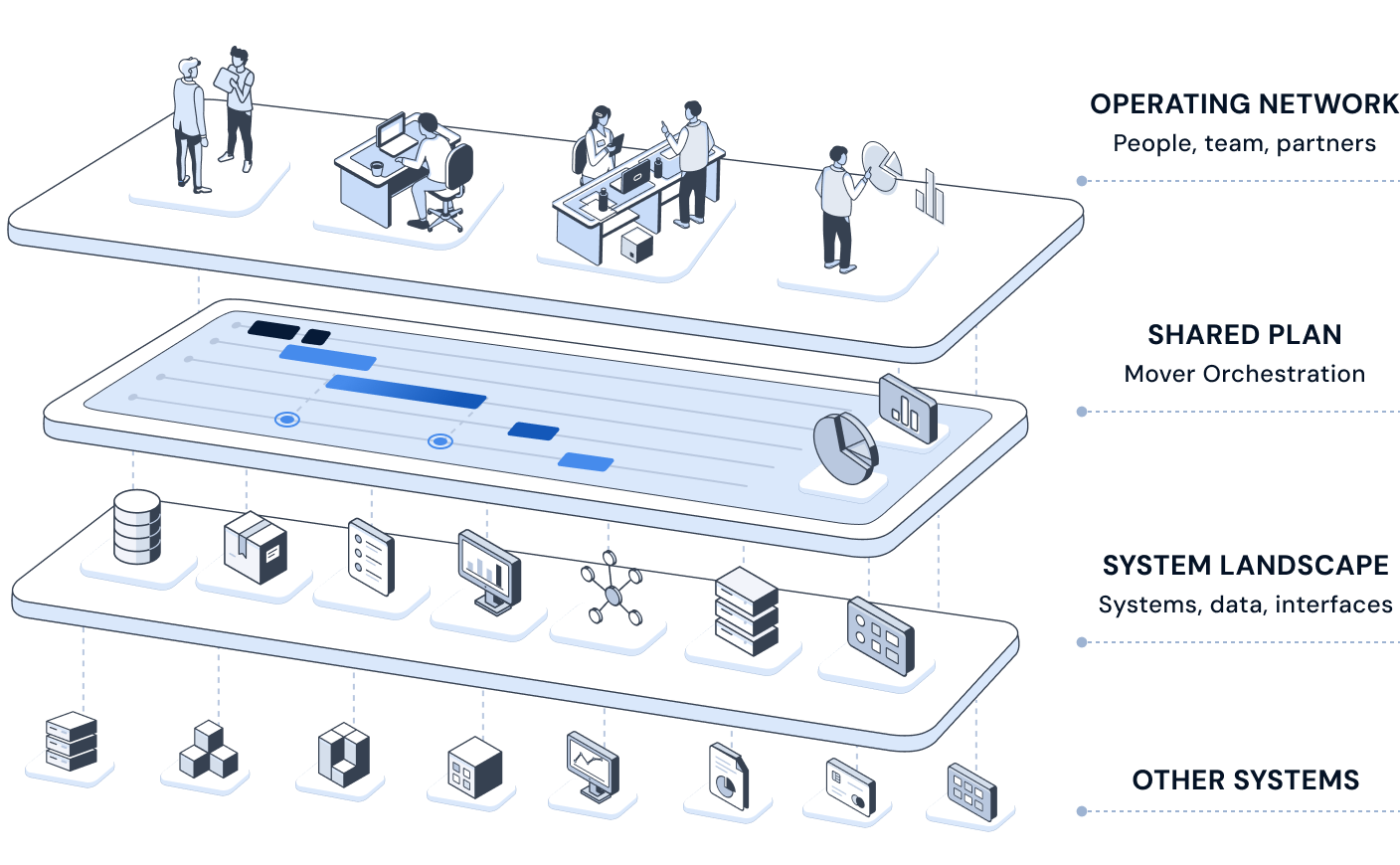
One orchestrated data layer
Turn fragmented systems into one connected operating context.



let’s start
Ready to see what Mover can do for your operation?
Talk to our team and get a personalised walkthrough.
Frequently asked questions

Yes. Crew requirements are applied automatically during route optimization. The system decides whether a one-person stop joins a two-person route or runs on a dedicated solo route based on what is most efficient on the day.
Yes. Crew requirements are applied automatically during route optimization. The system decides whether a one-person stop joins a two-person route or runs on a dedicated solo route based on what is most efficient on the day.
Yes. Crew requirements are applied automatically during route optimization. The system decides whether a one-person stop joins a two-person route or runs on a dedicated solo route based on what is most efficient on the day.
Yes. Crew requirements are applied automatically during route optimization. The system decides whether a one-person stop joins a two-person route or runs on a dedicated solo route based on what is most efficient on the day.
Yes. Crew requirements are applied automatically during route optimization. The system decides whether a one-person stop joins a two-person route or runs on a dedicated solo route based on what is most efficient on the day.
Yes. Crew requirements are applied automatically during route optimization. The system decides whether a one-person stop joins a two-person route or runs on a dedicated solo route based on what is most efficient on the day.
Yes. Crew requirements are applied automatically during route optimization. The system decides whether a one-person stop joins a two-person route or runs on a dedicated solo route based on what is most efficient on the day.
Yes. Crew requirements are applied automatically during route optimization. The system decides whether a one-person stop joins a two-person route or runs on a dedicated solo route based on what is most efficient on the day.