.svg)
.svg)


.svg)
.svg)
.svg)
Plan routes with real stop times
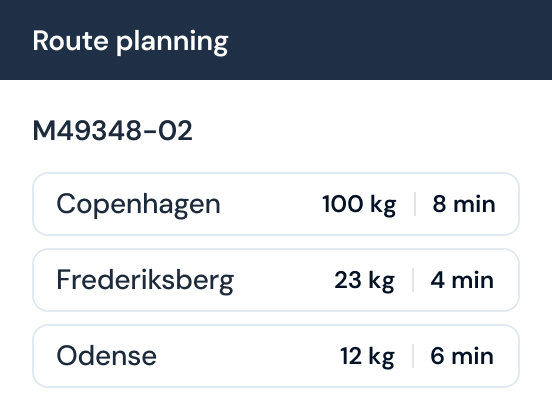
Replace fixed averages with dynamic task timing at every pickup and delivery. Keep delivery windows reliable, balance workload, increase cost and performance visibility – without adding manual planning effort.
.jpg)
Trusted by operators who own the delivery promise










Turn planning accuracy into a competitive advantage
.svg)
Deliver on every promise
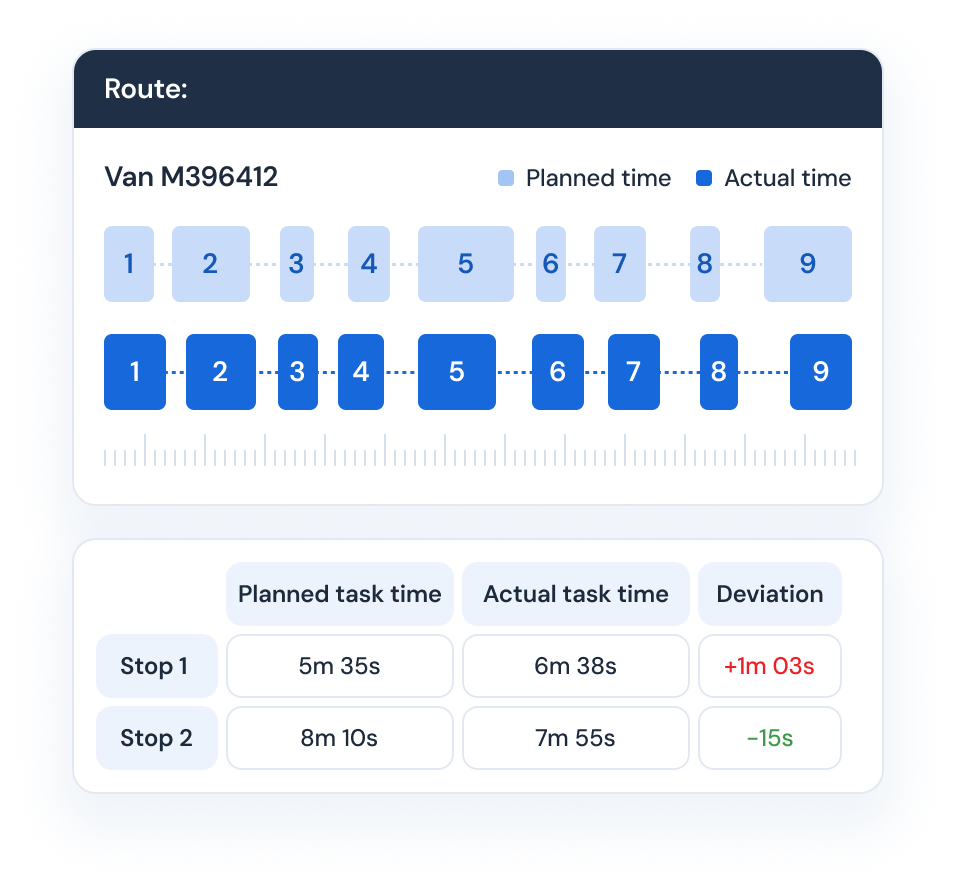
Plan with confidence using task times grounded in real work at every stop. Delivery windows stay credible, ETAs hold up in execution, and customer expectations stay aligned.
.svg)
Balance fair workloads
Assign effort based on what actually happens on the ground. Routes stay fair, execution stays consistent, and operational strain drops.
.svg)
Scale without added complexity
Maintain planning accuracy as volumes grow. Automated task timing reduces manual oversight and keeps planners focused as operations scale.
.svg)
Make cost and performance comparable
Anchor time, cost, and performance metrics in real effort. Compare routes, carriers, and teams fairly – and make decisions backed by data you can trust.
Build routes that hold up in the real world
.png)
.png)
Integrate communication across platforms
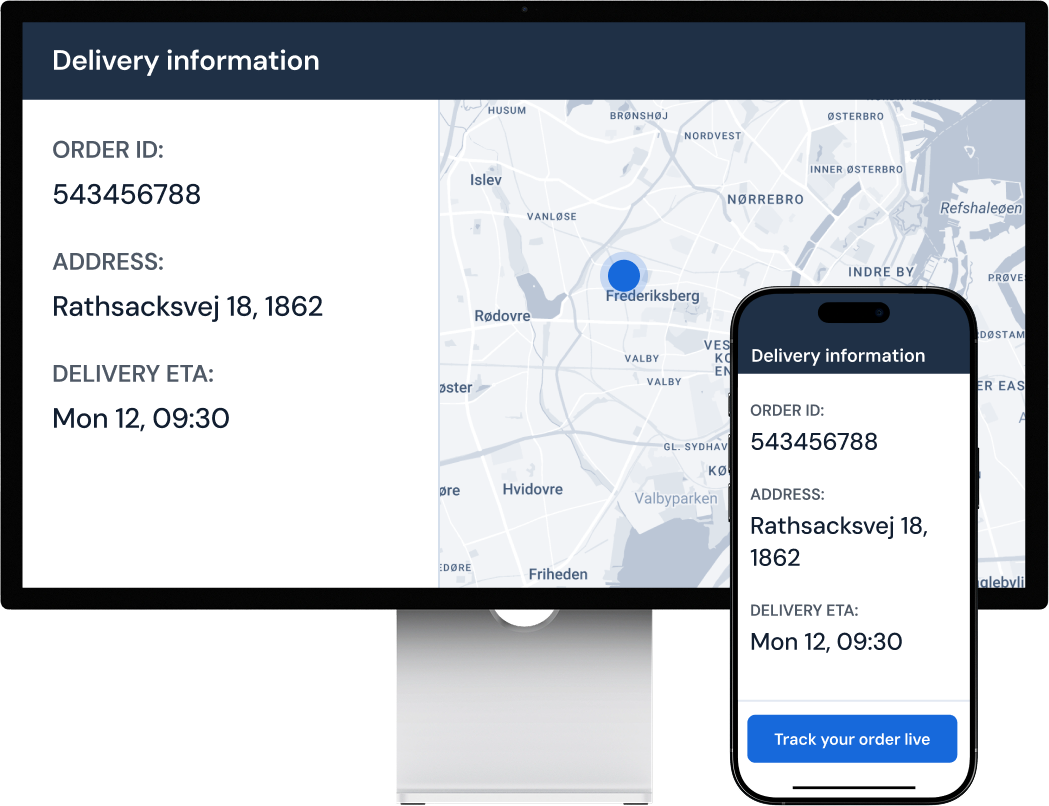
Unify communication inside your app or website experience: set preferences, embed the tracking experience, and let Mover triggers orchestrate updates across platforms and devices.
Customer stories

.svg)
.svg)
.svg)
%201.svg)




Frequently asked questions about communications
Dynamic task time calculates pickup and delivery stop duration using configurable rules instead of fixed averages – so route timing reflects the real work at each stop.
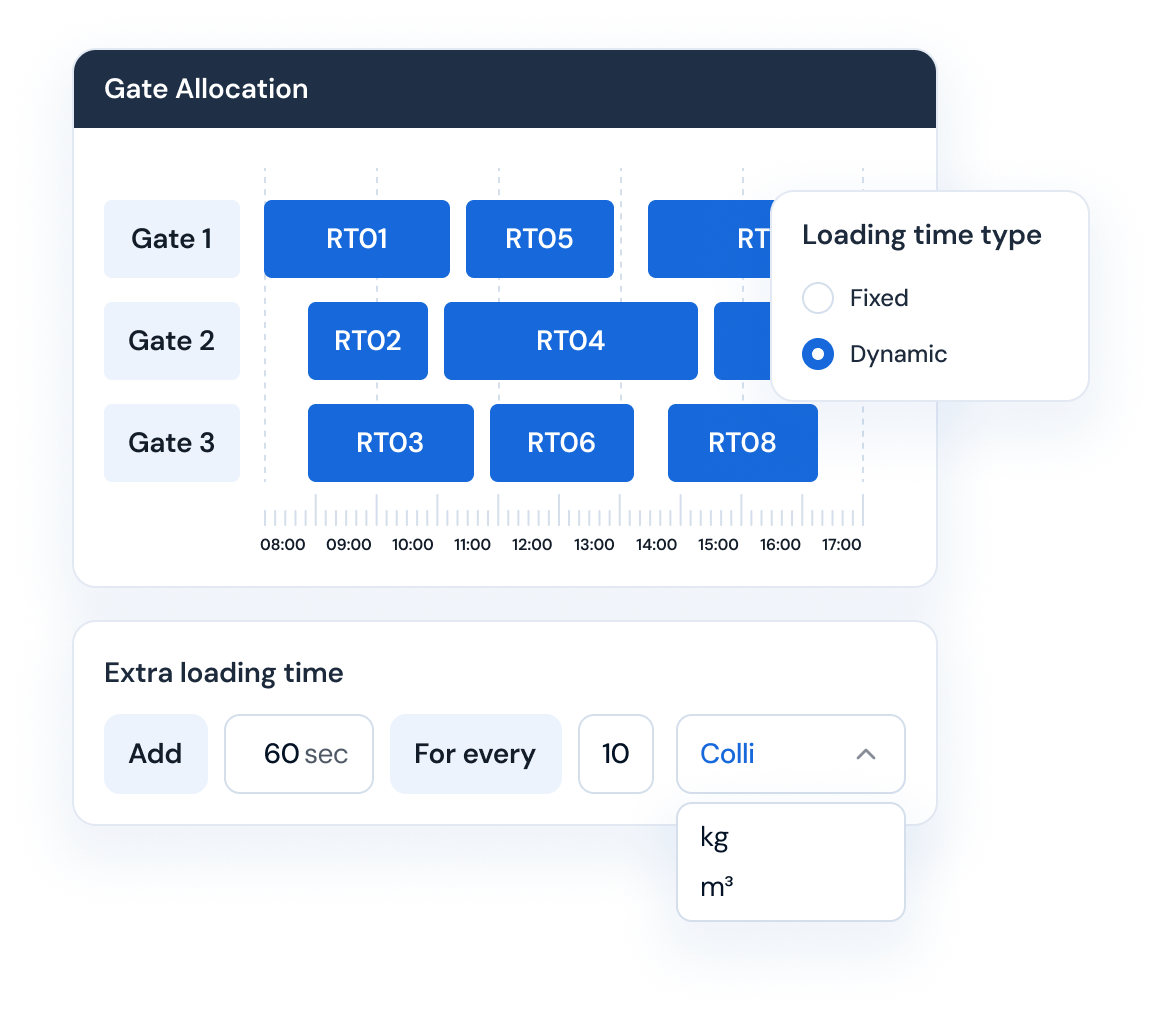
By configuring the rulesets that add incremental time based on load attributes like weight, volume, and item count. You can also apply modifiers for context such as floors, order type, recipient type, geographic areas, or individualized tags.
No. Dynamic task time affects stop-level timing (work performed at pickups and deliveries), not the travel time between stops which is based on the configured rulesets in the route optimization and planning engine.
By using calculated stop times in route planning, ETAs and delivery windows are based on the expected work at each stop, not generic averages, ensuring higher adherence to plans and recipient expectations.
Because effort is estimated consistently at the stop level, it supports fairer workload distribution across routes and more comparable time, cost, and performance metrics.
More accurate loading and unloading time allocation helps sequence dock or gate capacity more effectively in warehouse or hub operations for optimal staging and operational efficiency.
Yes. Drivers can see the task time allocated to stops.

See Mover in Action
Ready to take control of your distribution?
Lorem ipsum dolor sit amet, consectetur adipiscing elit, sed do eiusmod tempor.