.svg)
.svg)


.svg)
.svg)
.svg)
Optimize multi-pickup route planning at scale
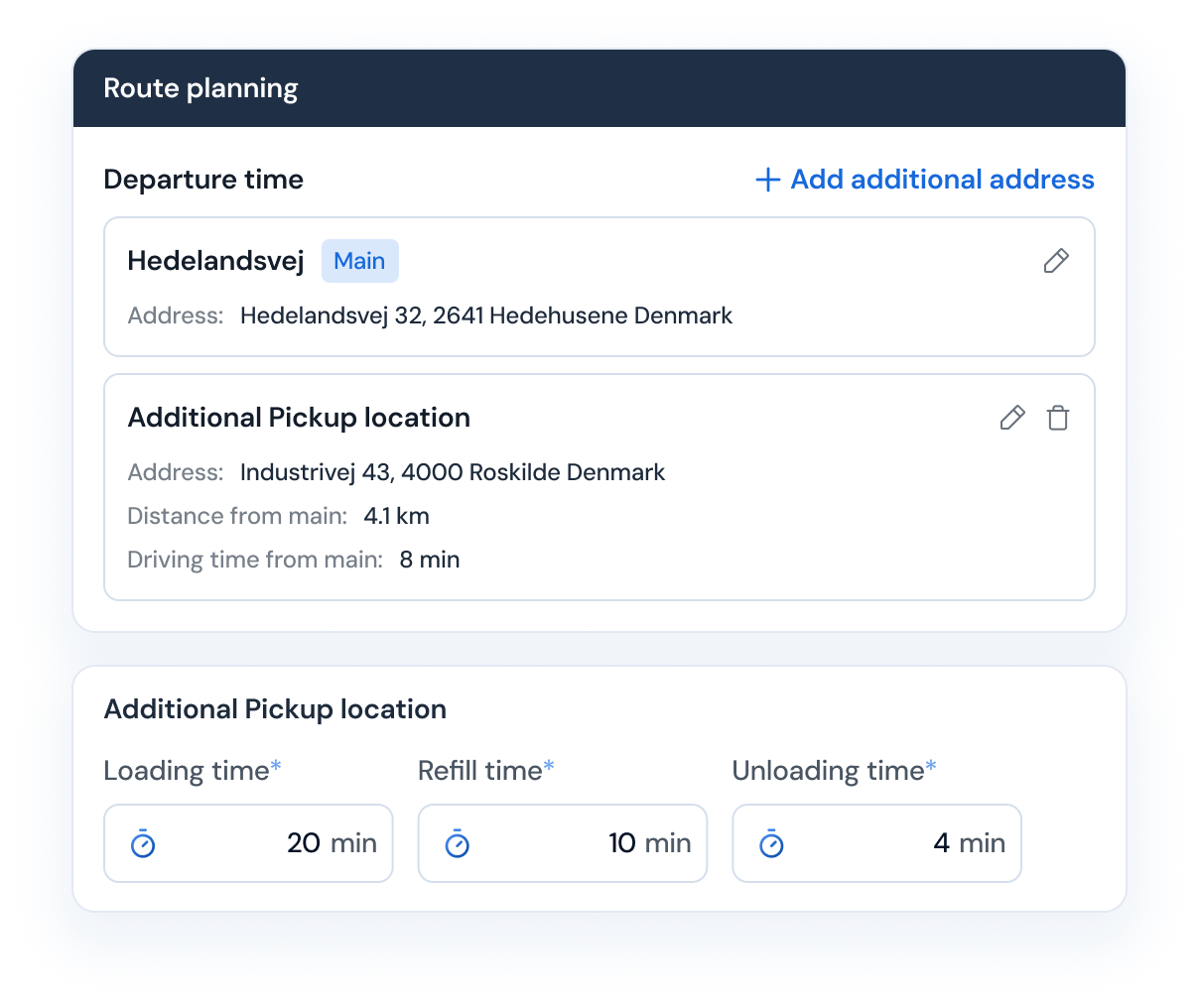
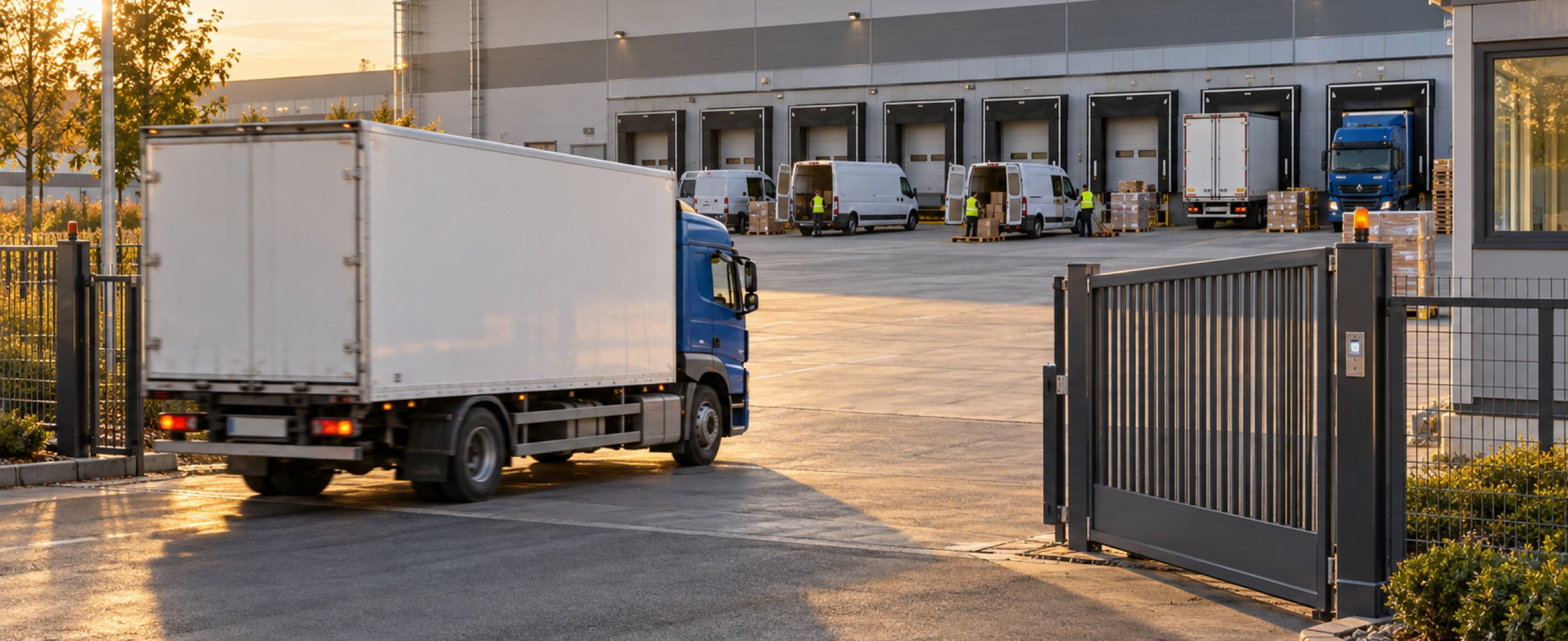
Plan and optimize routes with multiple pickup locations in a single transport plan. Consolidate shipments across warehouses and hubs, reduce route costs, and improve vehicle utilization – without manual planning.

.png)
Trusted by operators who own the delivery promise








Built to simplify complex logistics
.svg)
Lower cost per shipment, without trade-offs
Consolidate pickups across your network into fewer, smarter routes. Reduce empty miles, improve asset utilization, and protect margins as volume and complexity increase.
.svg)
Scale operations without scaling effort
Handle multi-warehouse, omnichannel, and return flows in one planning experience. Grow your logistics network without adding manual processes or operational overhead.
.svg)
Put planning on autopilot
Let intelligent optimization handle vehicle allocation, pickup sequencing, and constraints. Free your planners from manual work and enable them to focus on exceptions, not execution.
.svg)
Deliver with confidence, every day
Create plans that work in the real world, accounting for capacity, time windows, and pickup requirements from the start. Improve reliability, reduce last-minute changes, and keep service levels high.
Built for multi-origin transport operations
.png)
.png)
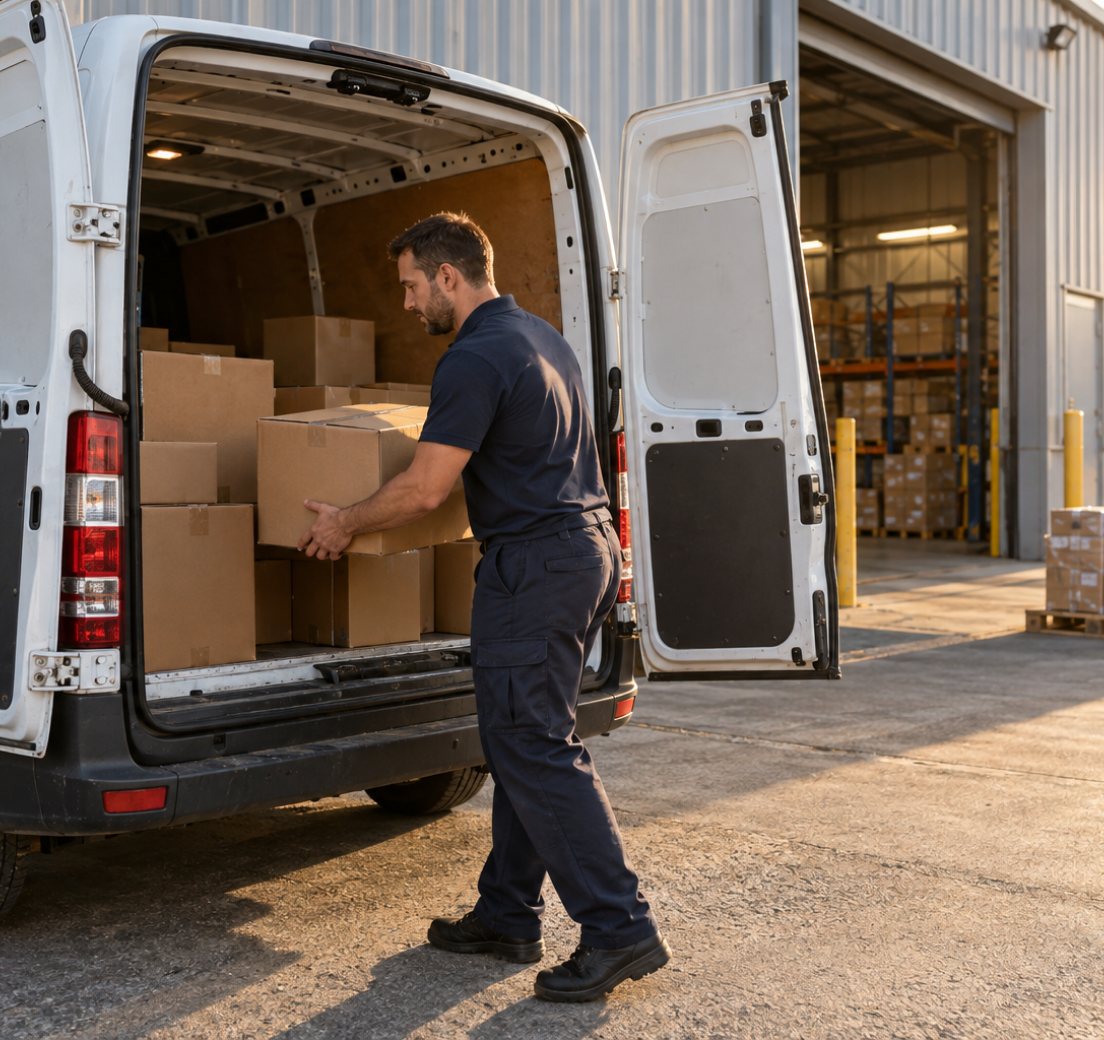
Keep orders tied to the right pickup location
Ensure every order is collected from its required origin. Respect inventory placement and operational constraints so routes reflect how goods are staged and distributed across your network.
.png)
Customer stories

.svg)
.svg)
.svg)
%201.svg)
Additional resources
Frequently asked questions
It’s the ability to create transport plans that include pickups from more than one origin in the same route. Instead of treating each pickup separately, the system plans and sequences them together with deliveries to optimize cost, capacity utilization, and service levels.
By consolidating pickups from distributed origins and sequencing them intelligently, the system increases vehicle utilization and reduces empty miles.
Absolutely. The optimization engine considers pickup and delivery time windows, vehicle capacity, and other constraints when planning routes, ensuring the resulting plans are executable in the real world.
Because planning is unified across pickups and deliveries, returns and cross-dock flows can be integrated into the same plan. That eliminates the need for separate planning cycles and reduces handoffs between teams.
No. The system automatically identifies and groups pickups based on optimization objectives you set, such as minimizing cost or balancing utilization. Manual consolidation is not required.
Yes. Large networks benefit from network-wide optimization and constraint handling, while SMBs benefit from reduced planning effort and improved resource utilization without needing specialized route planners.

See Mover in Action
Ready to take control of your distribution?
Talk to our team and see how Mover connects planning, dispatch, drivers and data in one platform – built around how your operation actually runs.