.svg)
.svg)


.svg)
.svg)
.svg)


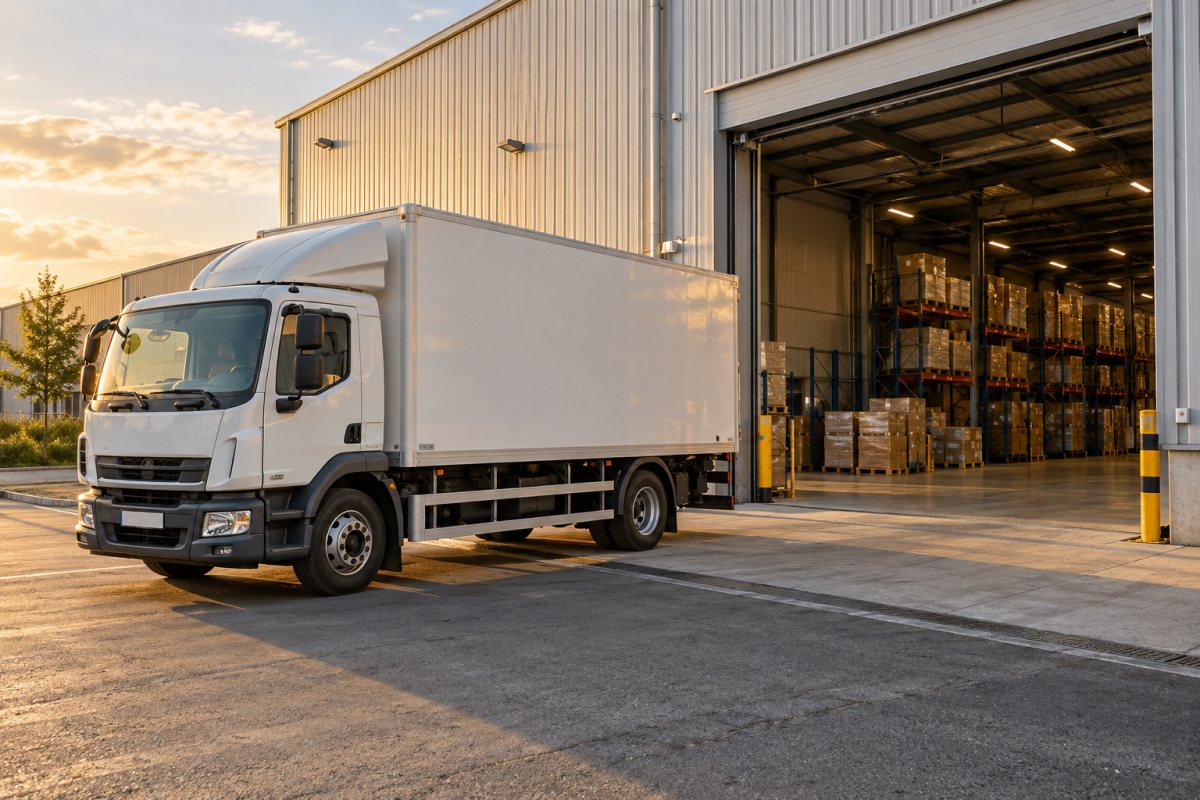
A dock schedule that's off by a few minutes per vehicle doesn't look like a cost problem. Run it across twenty vehicles a day, every day, and it is one driver hour paid for standing still instead of driving. Planners and operations leaders tend to treat dock and gate mismatches as a scheduling headache, not a cost line, which is exactly why the expense keeps compounding unnoticed.
A scheduling gap is a planning problem. The same gap multiplied by a fleet is a budget problem, and only one of those tends to get reviewed regularly.
More routes than gates means waves, not a queue
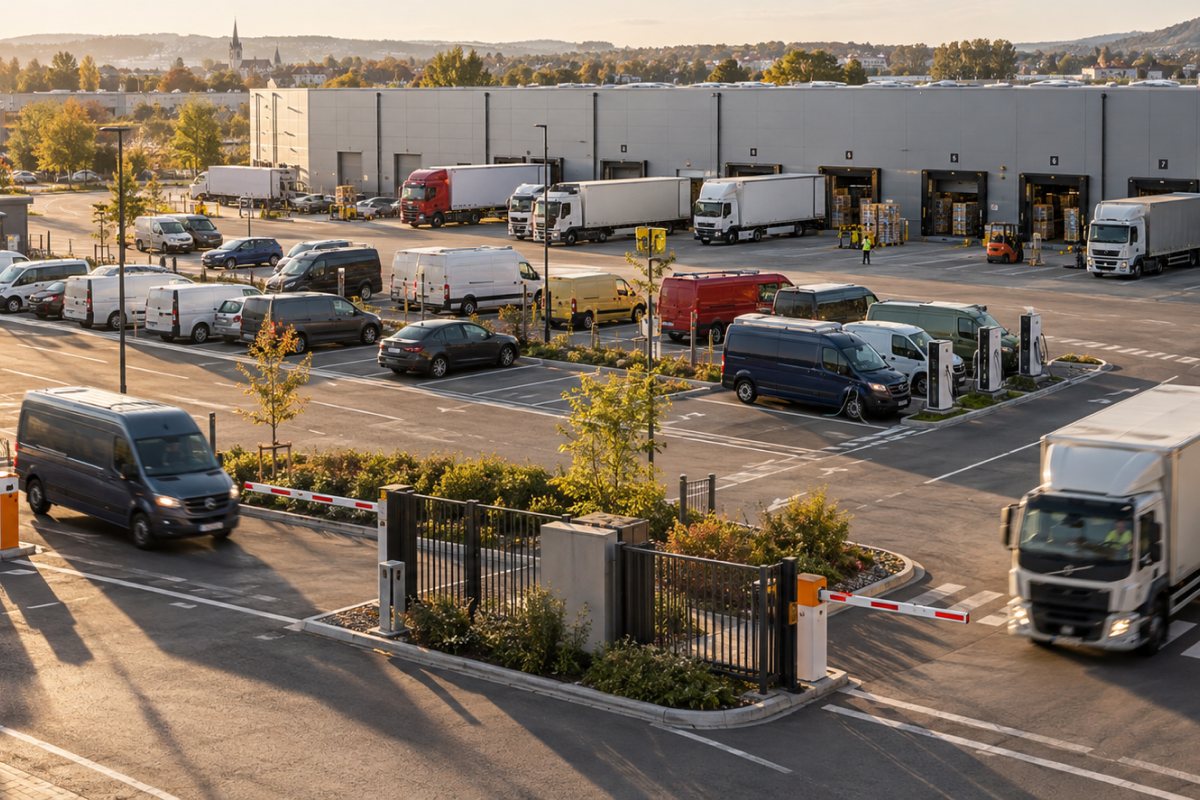
More routes ready to leave than there are gates to load them doesn't mean the extras wait somewhere invisible. It means departures have to run in waves, a first group out, then the next, in whatever order clears the yard fastest. Few route optimization engines build that wave sequencing into the plan itself. Most produce a departure list that assumes unlimited gates and leave the warehouse to work out the real order once the mismatch shows up on the floor, in minutes nobody planned for.
40+ routes, 10 loading positions
One industrial bakery runs more than forty daily routes through a dock that can only load ten vehicles at once, each one needing the right products, in the right sequence, before dawn.
“It used to be a messy operation. Now everything is sequenced, and the dock runs the way a production line should.”
— Operations lead, industrial bakery
Loading time hides two variables, and neither one is flat
Loading time and gate reset time are two different clocks, and only one of them usually gets counted. A vehicle might need twenty minutes to load, but the gate then needs another ten minutes before the next vehicle can pull in, clearing shipments, resetting equipment, whatever the handover requires. That's thirty minutes between departures, not twenty, so a schedule built on the loading number alone assumes a gate turns three vehicles an hour when it only turns two.
Loading time itself isn't one number either. A route carrying a handful of small, uniform packages loads faster than one carrying bulky, mixed, or heavy shipments, seventeen minutes for one route, thirty-six for another at the same gate. A schedule that flattens either variable is wrong before the first truck of the day arrives.
The usable gate count shrinks before the day is over
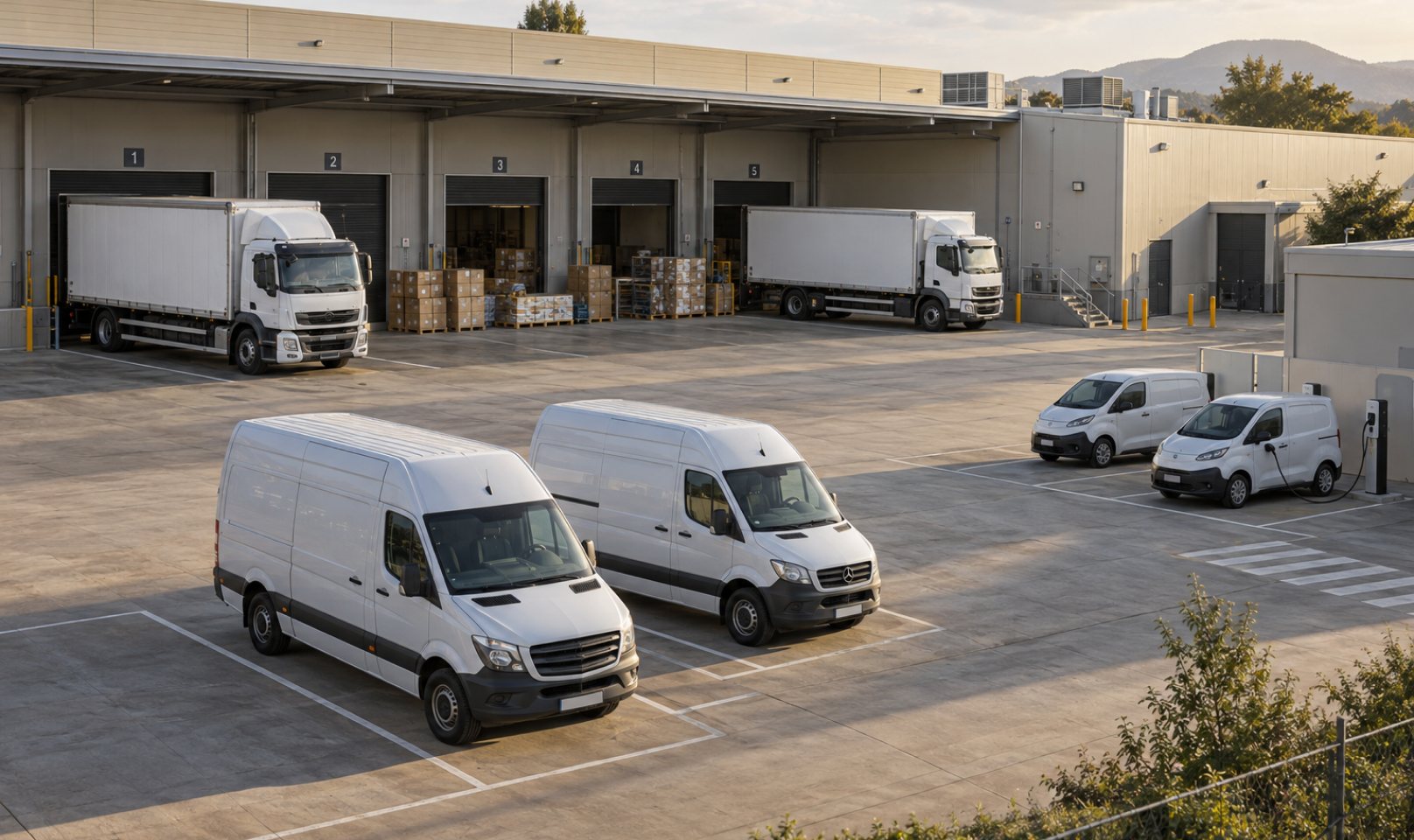
The gate count itself isn't fixed either. Some gates get pulled for other transport flows later in the day, so a dock that's fully available in the morning might be running on half its positions by afternoon. Vehicle-to-gate compatibility narrows things further, larger trucks need gates that can take them, smaller vehicles don't, so the number of gates available to a given route is often smaller than the total on the yard.
Multiply a few minutes by a fleet and the schedule becomes a monthly cost
Every gap above is a numbers game, and it scales with the fleet. Twenty vehicles a day running an uneven mix of loads and gate turns against flat assumptions can easily average an extra fifteen to twenty idle minutes each. In two-person operations, common in big and bulky and installation work, every idle minute is doubled, one driver waiting is two people being paid to wait. Multiplied across twenty vehicles a day, that's hours of paid idle time daily, which becomes a substantial cost over a month and considerably more over a year, a cost created entirely by treating gate turnaround and loading time as flat numbers instead of the variables they are.
Among operations running any fleet against a shared physical resource, this is a numbers problem before it's a scheduling one. A few unaccounted minutes, multiplied by every vehicle and every operating day, turn into a cost line most plans never surface, because the plan itself never counted them.
The takeaway
Multiply your average unaccounted dock minutes per vehicle by your fleet size and operating days, and double it if two-person crews are common. That number is the monthly cost of a plan that treats gate turnaround and loading time as flat, not the cost of the vehicles or the drivers.