.svg)
.svg)


.svg)
.svg)
.svg)


Operational Excellence
Lorem ipsum dolor sit amet, consectetur adipiscing elit, sed do eiusmod tempor incididunt ut labore et dolore magna aliqua.
Applications
Adopting Change
Dynamic task time

Cost efficiency and fair workloads look like separate goals only when the data behind them is separate too.

Optimizing for speed quietly routes the hardest stops to the same few people, week after week.

The clock that goes wrong first usually isn't the one measuring the distance or traffic.
Dock and gate planning
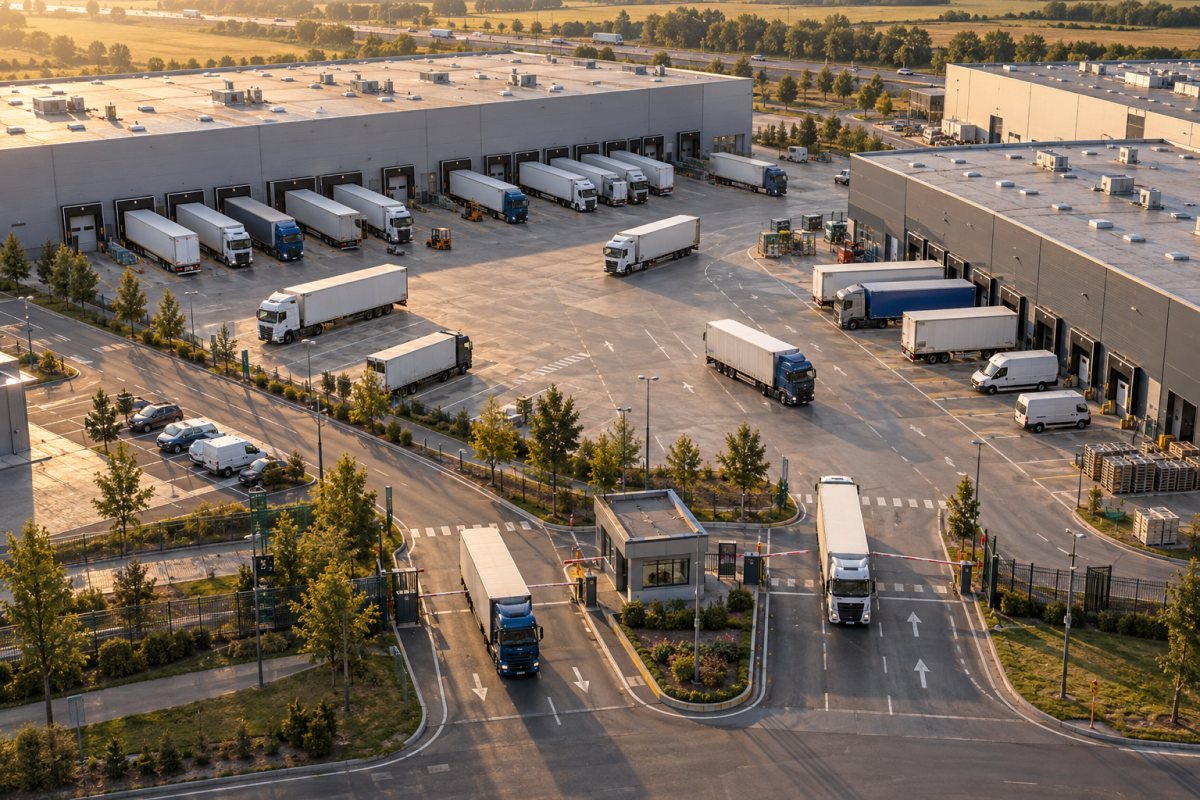
A few unaccounted minutes per vehicle, multiplied across a fleet running every day, turn a scheduling gap into a high, recurring cost.
Route optimization
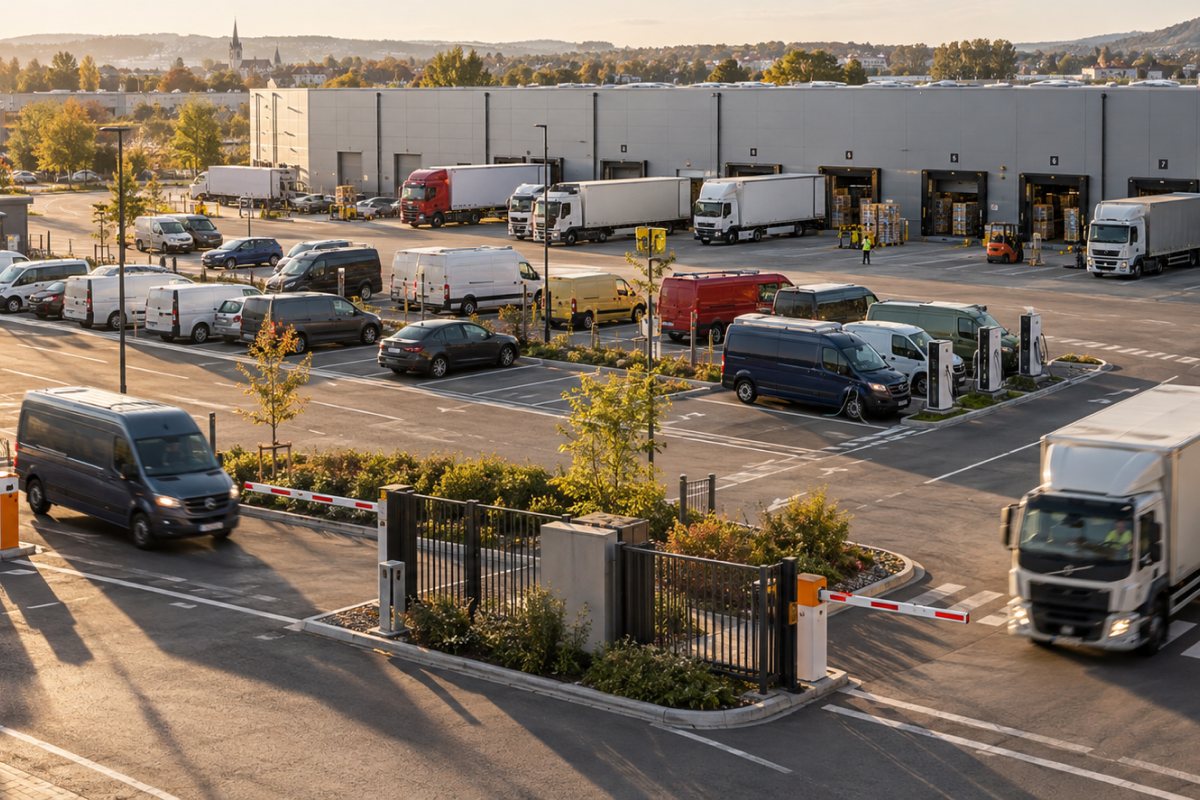
Solving each constraint on its own has a price few operations ever add up.
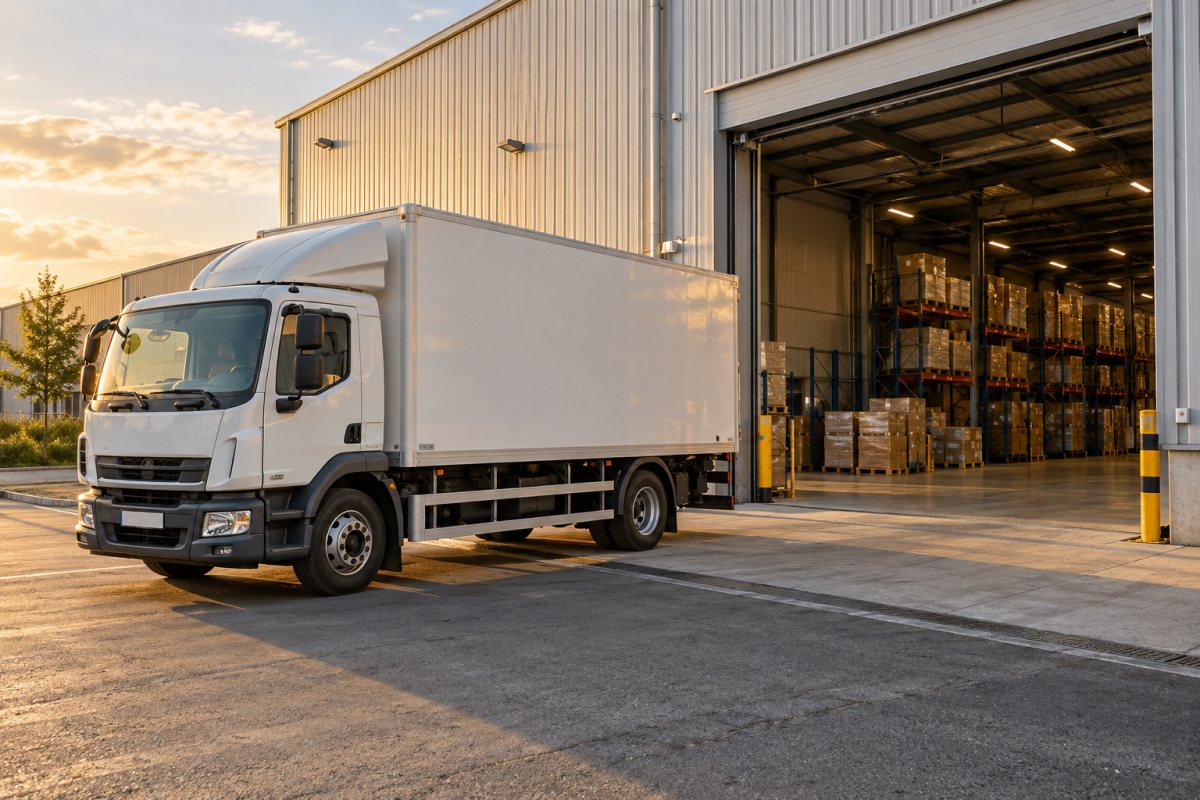
One gap between the planning screen and the yard is where most execution failures start.
Driver breaks

Same required minutes, folded into a stop the route needed anyway, instead of bolted on as dead time nobody priced in.
Multiple collection points
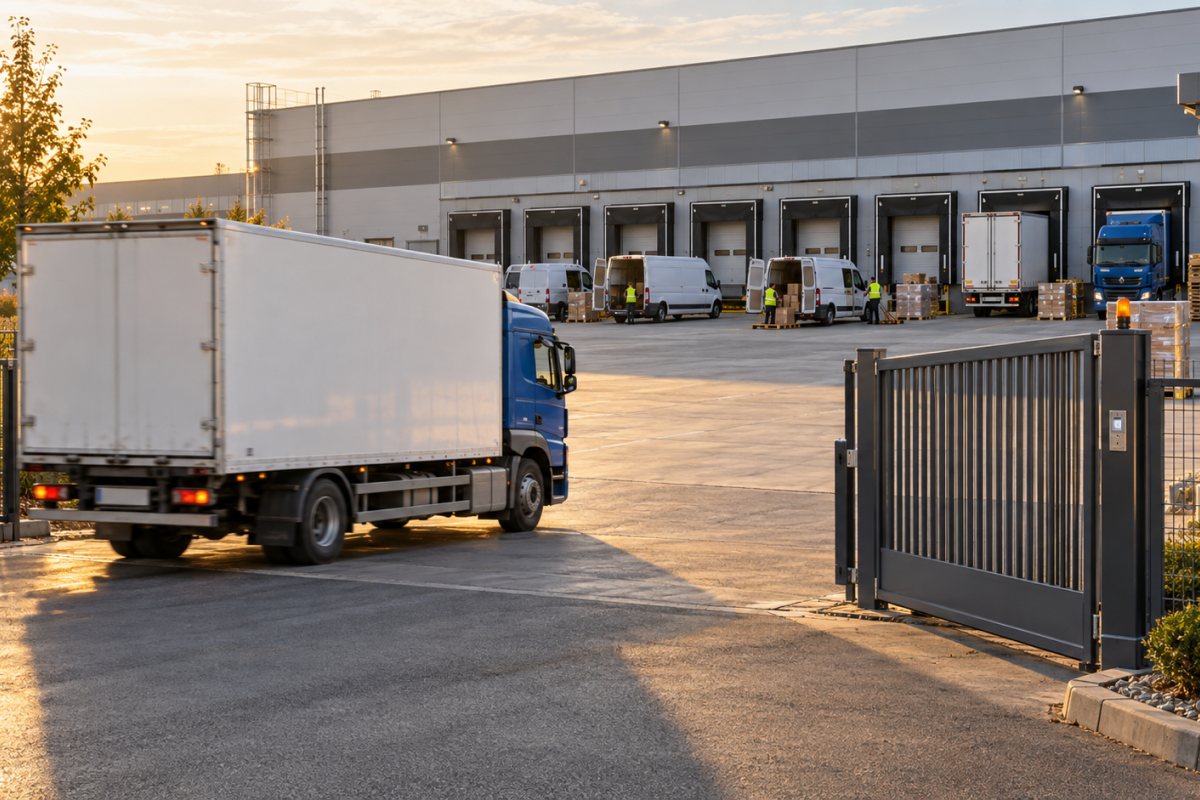
Splitting fleet by depot feels organized. It's usually a manual rule standing in for what the route needs.
Operational excellence
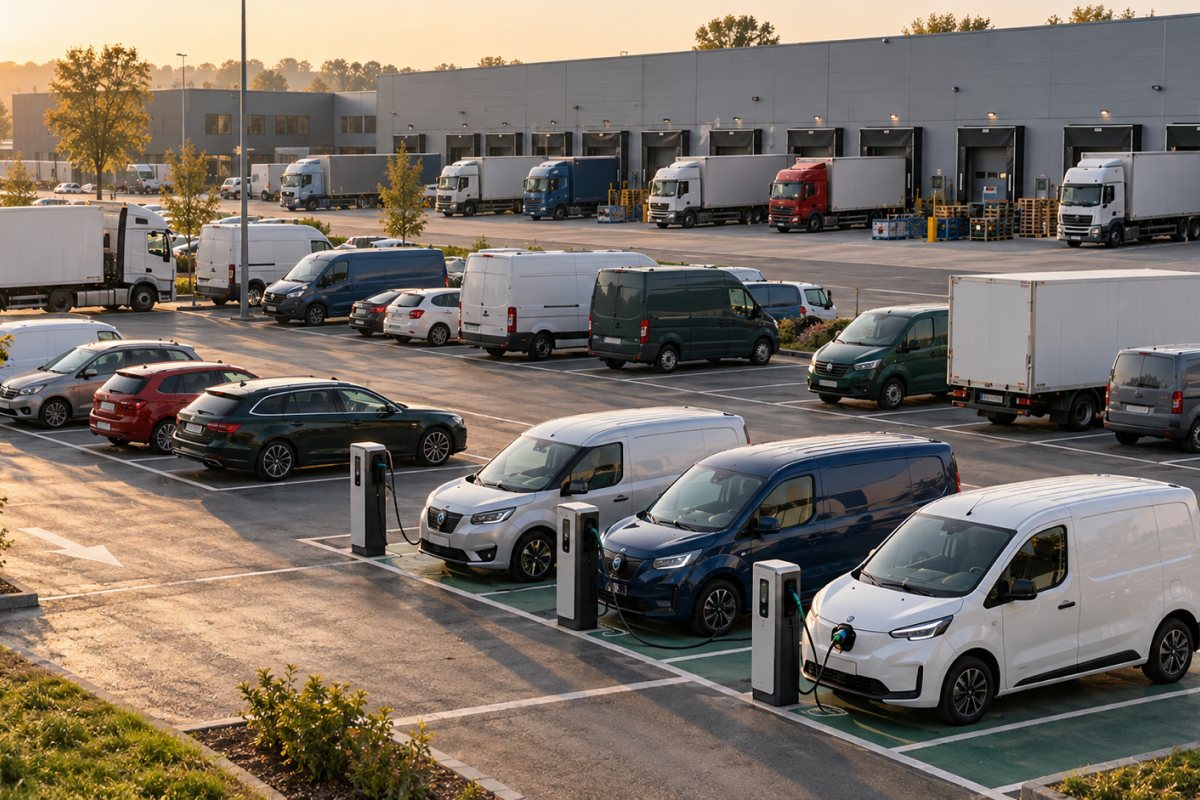
Specifying the right vehicle is the easy part. What separates a standard that holds from one that quietly drifts is what gets checked afterward.
Route refilling

Every depot return planned as a new trip adds idle time and empty miles a continuous shift plan would never create.

Repeated manual overrides don't just cost time. They erase the data that would show you what to fix.
Route scheduling

Grouping orders, applying the right rules, running the optimization, and handing off to the warehouse is one cycle. Large operations repeat that cycle around the clock.
Vehicle capacity constraints

A vehicle equipped for special handling can usually do standard work too. Most constraint setups don't let it.
Latest stories
Grouping orders, applying the right rules, running the optimization, and handing off to the warehouse is one cycle. Large operations repeat that cycle around the clock.

See Mover in Action
Ready to take control of your distribution?
Talk to our team and see how Mover connects planning, dispatch, drivers and data in one platform – built around how your operation actually runs.